Module 1 · Lesson 2 · 10 min read
Core Practices
These are the practices I give before, during and after Shaktipat, the transfer of energy from a teacher to a student.
Every lesson in this course names one of them and links here. You can do all of them alone at home. None of them needs a guru, and none of them should ever be forced.
This section contains a general overview of topics that you will learn in this lesson.
- How to do Kund Breathing and the Om exhalation, the base of all my work.
- How to release stale energy safely, without straining.
- How to arrive receptive for a session, and how to rest after one.
- How to ground new energy through the earth, trees, food and the witness.
- How to check a teacher calmly before you trust them.
The core teaching
Shaktipat is not something done to you. It works through you, and how much it gives depends on how relaxed, open and grounded you are. The breath opens you, rest lets the energy settle, and grounding brings it into daily life. These practices prepare that ground, and they keep you steady whether or not you ever work with a teacher.
Kund Breathing
Kund Breathing is navel breathing. “Kund” means a vessel, and here it is the belly. Kundalini is the life force that rises through the spine as awakening deepens. It needs a relaxed belly and a calm nervous system to move smoothly.
- Lie on your back on a firm surface. Cover your eyes lightly if light disturbs you.
- Let your weight drop. Relax the feet, legs, hips, belly, chest, shoulders, jaw and face one by one. Shake the legs and hands a little to release holding.
- Rest both hands on your navel.
- Smile softly, as if everything is all right. A sincere smile tells the body it is safe.
- Inhale naturally through the nose and feel the navel rise under your palms.
- Exhale longer than you inhale and feel the navel fall.
Start with ten minutes. You can do it several times a day. If you feel dizzy, let the breath return to normal and simply rest.
The Om exhalation
Om is the traditional sound of the whole of life. In Kund Breathing, you can voice the long exhale as “Oooohm”, stretching the O and closing gently on the M. Let the vibration move through the chest, belly and skull.
Use the sound when you feel weak, anxious or overwhelmed. Make it louder only if that feels safe. After several rounds, let the sound fall away and stay quiet with your hands on your navel. Let everything dissolve for a few minutes. This stillness is where the nervous system takes in what has shifted.
Slow mouth exhalation
For anxiety, I guide ten slow rounds of mouth exhalation. Breathe out slowly through the mouth and feel only the exhale. Don’t control the inhale. Trying to breathe in hard creates stress, so let the body breathe in by itself.
After each exhale, pause. Feel the relaxation that follows. You cannot think your way out of anxiety; you can feel your way out, one breath at a time. Three rounds of silent Om inside the mind can follow.
Releasing stale energy
Before deep receptivity, I sometimes guide forceful exhalation to flush heaviness out of the belly, chest and rib cage. Sit comfortably, open the chest and breathe out firmly through the mouth.
Start with one round of 20 exhalations, then rest. A burp, a yawn or tears may come; let them. Stop at once if you feel dizzy, faint, numb or in pain. More rounds are learned only with guidance. After the release, sit in silence until your energy comes back to the centre.
Belly breathing with gentle holds
When Kundalini puts the body into freeze, the diaphragm, the dome-shaped muscle under the lungs, can stop moving freely. This practice wakes it up. Breathe in and out through the nose with your hands resting by your sides.
- Inhale fully into the belly. Hold for 2–3 comfortable seconds.
- Exhale fully. Hold for 3–5 comfortable seconds.
- Repeat about ten times.
Never strain or bear down. If you feel dizzy after a few rounds, switch to simple breathing: hands resting on your belly, breathe in as it rises, out as it falls, and let it go. Skip the hold after the in-breath if you are pregnant or have high blood pressure, a heart condition or raised eye pressure. You will find more breath holds in the breathwork course’s External Kumbhak practice.
Arriving receptive for a session
Receptivity means being open enough to receive. A bottle can only carry home as much water as it holds, and a session works the same way. Here is how I ask students to arrive:
- Wear loose clothes, and keep one to two free hours with nothing planned after.
- Put your phone on silent and out of reach.
- Come as a beginner. Set aside the techniques you have collected and the results you expect.
- Do a few minutes of Kund Breathing first so the body is already relaxed.
- Know what you are agreeing to. You can ask any question and stop at any time.
Openness is not obedience. You can be fully receptive and still keep your own judgement.
Resting after a session
A session usually lasts 30 to 45 minutes. Afterwards, stay lying down for at least 15 to 20 minutes. Get up only when your body itself feels like getting up, then return slowly to ordinary tasks.
Before you book another session, observe. Notice over the next days what shifted, what didn’t, and how you sleep and feel. A good teacher never forces energy on anyone and wants you to judge the result for yourself.
Barefoot grounding
Grounding means bringing energy down from the head into the body and the earth. Stand or walk barefoot on grass or soil for ten to twenty minutes. Feel the coolness under your soles and let your toes spread. Check the ground first for glass, thorns and insects, and skip this on wet ground during storms.
In my experience, the delay between life and feeling disappears when the feet touch the earth. Research on grounding is still limited, so treat this as a calming practice, not a treatment.
Tree grounding
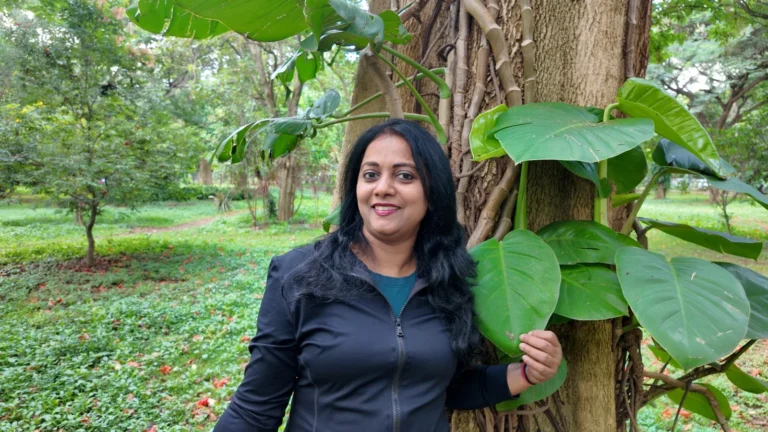
Choose a healthy, sturdy tree. Hug it with your whole body: chest, palms and cheek against the trunk, feet flat on the ground. Close your eyes, breathe slowly and let the mind go quiet for a few minutes. Many students feel their breath slow and their face relax. It is a simple way to settle the energy after a strong session.
Eating with awareness
Food can ground new energy. Eat one meal a day slowly and without a screen. Take small bites, taste each one fully and notice warmth, spice and heaviness in the body. Warm, simple, home-cooked food usually grounds best after a session.
The witness
The witness is the part of you that can watch thoughts and feelings without being swept away by them. A few times a day, pause for one minute and name what you see: “Thinking is happening. Fear is happening. The body is tired.” Don’t fight what you see. Watching it is enough to loosen its grip.
Flame gazing
When the mind feels heavy or invaded by fear, light an oil lamp or candle at a safe distance, at eye level. Sit comfortably and gaze softly at the flame, breathing calmly, for three to five minutes. Never leave the flame unattended. Don’t use this with epilepsy, light-triggered migraine or an eye condition unless your doctor agrees.
Checking a teacher calmly
This is a practice of attention, done before and during any work with a guru, healer or teacher. Notice how you feel in their presence and after you leave:
- Do they carry no show of being spiritual or perfect?
- Are they at ease with your intelligence and talents, without competing?
- Is your growth their focus, rather than your status, money or past mistakes?
- Do they answer questions plainly and support your doctor and therapist?
- Do you feel free to pause, ask, say no or leave?
If any answer is no, slow down. I explain these signs fully in How to Choose a Guru.
Which practice when
| When you feel | Start with |
|---|---|
| Anxious or racing | Slow mouth exhalation, then Kund Breathing |
| Heavy, stuck or full of old emotion | One round of forceful exhalation, then silence |
| Frozen, numb or holding your breath | Belly breathing with gentle holds |
| Before a session | Arriving receptive, plus ten minutes of Kund Breathing |
| Light-headed or “in the head” after a session | Rest, then barefoot or tree grounding and a warm meal |
| Caught in thoughts or fear | The witness, the Om exhalation, or flame gazing |
| Unsure about a teacher | Checking a teacher calmly |
A healer who had stopped flowing
A woman who worked as a healer came to me for an energy transmission. When I read her energy field, much of the fear in it was not hers. She had absorbed it from people around her and from the insecurity of the world. Her own energy had become stagnant, and she had drifted away from her original power.
I didn’t begin with the transmission. First I guided her breathwork, so her body and nervous system could enter the right groove. Then came forceful exhalation through the mouth, to flush heaviness from her belly, chest and rib cage. A release came, like a catharsis, and I asked her to let it happen fully.
After that, she sat in silence until her energy returned to the centre. Only then did she lie down to receive, like a child who doesn’t need to know what is happening. I asked her to stay lying down until her body wanted to get up. Before taking another session, she was to observe what had shifted. That order of breath, release, stillness, rest and honest observation is what this lesson teaches.
Looking for guidance on your own path? Meet Sanju in a one-to-one session and see how it feels.
Book a session with SanjuA simple two-week start
Days 1–7
Breath and rest
- Kund Breathing for ten minutes, morning and evening.
- Add the Om exhalation in the evening.
- One minute of the witness at midday.
Days 8–14
Release and ground
- One round of 20 forceful exhalations on heavy days, then silence.
- Ten minutes barefoot or with a tree, three times this week.
- One slow meal a day without a screen.
When to seek medical or professional help
Avoid breath holds and forceful exhalation if you are pregnant or have a heart, blood-pressure, lung or seizure condition, unless your doctor agrees. Stop any practice that brings dizziness, chest pain, numbness or panic. No energy practice replaces medical or psychological treatment, and no teacher should ask you to stop medication. If you have thoughts of harming yourself, contact local emergency services or a crisis line now. For any physical or mental symptom that worries you, see a doctor.
Self-check
- Which of these practices helps you feel safest in your body?
- When you meet a teacher, do you notice how you feel afterwards, or only what they say?
Knowledge check
These questions help you check your understanding of this lesson. If you can’t answer one, select it to go back to the part of the lesson that answers it.
Additional resources
This section contains helpful links to related content. It isn’t required, so consider it supplemental.
Lesson complete. Want help applying it to your own life?
Book a session with Sanju
Guru Sanju14 years guiding people through Kundalini awakening, with students in 50+ countries. I help you understand what is happening to you and turn it into growth.
Kundalini Guru and Shaktipat · Course menu
Kundalini Guru and Shaktipat