Module 4 · Lesson 3 · 8 min read
Health Is the Real Wealth
Your health is the real wealth: every other investment depends on a body and brain that can carry your life, and Kundalini makes that impossible to ignore.
Most of us invest in property, savings and careers, and rarely ask what kind of investment we are making in ourselves. This lesson explains why health comes first in life after awakening, the simple daily habits that build it, why happiness and health grow together, and why so much of modern health is cosmetic. It is not about blaming anyone for being unwell. It is about what you can build, starting today, alongside proper medical care.
This section contains a general overview of topics that you will learn in this lesson.
- Why health is your most valuable asset.
- Why health begins with the brain and the environment you live in.
- Seven daily habits that build health.
- Why personal happiness and health depend on each other.
- Why cosmetic changes are not the same as being healthy, and what youthfulness really is.
The core teaching
Invest in your health before anything else. It grows through ordinary daily habits: hygiene, sleep, laughter, affection, regular digestion, deep breathing and time in nature. It also needs happiness: a reason to get up and something you are building with your own hands. Medical care is part of health, not its opposite. Your part is the daily work no one else can do for you.
Why your health is your best asset
In financial terms, an asset is something whose value keeps growing over time. People invest in shares, property, gold and savings, but rarely ask: what kind of asset am I?
Your own body and brain are the most valuable asset you have. When you invest in them, your energy rises, your vitality shows and your presence inspires others. When health is neglected, the cost of maintaining the body rises and leaves little energy for life itself. Illness is not a moral failure, and many conditions have nothing to do with how someone lived. But for most of us there is a large part of health that is in our own hands, and it is the investment that makes every other investment worth having.
In my teaching, this is why health is the first real decision after awakening. It takes courage. Living healthily in a world that sells you the opposite can feel like rebellion.
Health begins with the brain and the environment
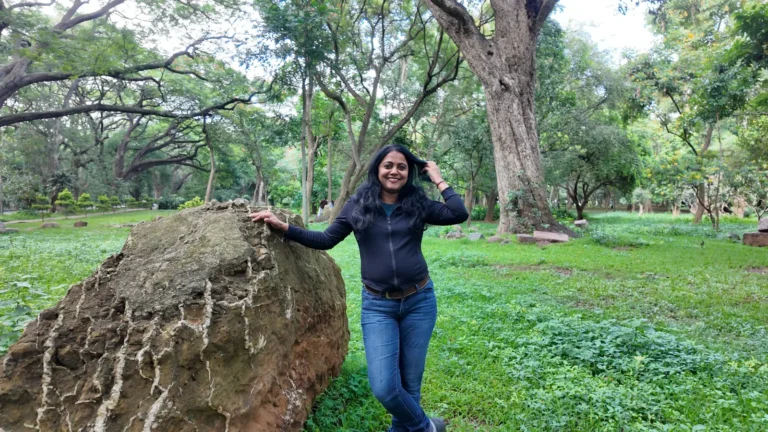
I work on my brain every day. I go into nature, expose myself to the elements, walk in open spaces and breathe clean air. Nature wakes up the instinctive brain, the old survival brain that keeps you alert and alive. A small sound of bees in a forest makes it pause and listen. That kind of attention is the start of real health.
Your environment shapes your energy. Clean air, sunlight, open sky, water and green spaces nourish the body in ways no supplement can. Crowded, polluted, closed spaces drain it. You may not be able to move to the mountains, but you can choose a park, a morning walk, a window that opens. See Negative Ions and Kundalini and Sunlight and Spiritual Awakening.
Health teaching also needs experience. You can study medicine, Ayurveda or yoga, but you understand health best by living it. When you become healthy through your own practice, you can genuinely help others.
Seven daily habits that build health
- Self-care and hygiene. Look after your own daily needs as far as you are able. A daily bath refreshes circulation and mood.
- Sleep with nature’s rhythm. For most bodies the need for rest comes after sunset. Sleep is when the body repairs itself.
- Laughter. Real belly laughter comes when you live with joy. It is medicine. See the laughter practice.
- Affection. Hugs, touch and time with someone you love. If you are single, animals are wonderful company for this.
- Regular digestion. When the bowels don’t clear, energy feels blocked. Conscious eating, water and movement help; persistent problems need a doctor.
- Deep breathing. The quality of your breath shapes the quality of your life. Shallow breathing brings heaviness; slow belly breathing brings ease.
- Nature and exploration. When the first six are in place, you naturally want to walk barefoot on grass, sit by water, hike and discover new places.
None of these is dramatic. That is their strength: practised every day, they compound like interest.
Health and happiness grow together
No government, company or society is going to invest in your personal happiness. That responsibility is yours. I sometimes call it your personal happiness index: how much toxic energy, pollution, stress and conflict you live surrounded by, and how much you invest in your own growth.
Happiness also needs a dream, something you are building. I once worked with a safari guide who had been stuck in a deep, heavy depression for months and could barely walk without support. As we worked, it became clear that he had carried a childhood dream of building a house with his own hands, and felt he would never manage it. I suggested he start with something he could do now: build a small temple in his home with his own hands. He took up the idea happily, and the stuck feeling of “I must build the house” began to turn into “I can build something now”.
His story is not a recipe for treating depression, which needs proper medical care. It shows something I see again and again: the body and nervous system respond when hope and real action return. See Meaning and What You Love.
Cosmetic changes vs real health
Much of what we do to feel better is cosmetic: a new outfit, a bigger flat, a new car, a new lifestyle on the surface. These satisfy the ego for a while, but they do not change the core. Real change means investing in health and happiness from the inside: how you breathe, sleep, eat, move, love and spend your attention.
The same is true of youthfulness. It is not mainly about your age or appearance. In my understanding, it is the energy of awareness: creative, adventurous and willing to step into the unknown. Fear ages you; creativity, curiosity and movement keep you fresh. Some people look young and feel drained; others shine in their later years. Fitness, simple food and practices that keep energy flowing help youthfulness last.
From my own life
For a few days I had pain in my legs: in the ankle and the knee. It had been cloudy and raining day and night for almost a month, with hardly any proper sunlight, and I felt the inflammation in my body. Even a healthy body can get sore in weather like that, and somehow I had hurt myself.
I did not stop moving. I went to the park and walked, though shorter distances than usual, and I walked with mouth exhalation. I noticed that with the exhalation the pain was not there in the same way, and without it the pain came back. That is how I approach health: not as theory, but as a daily experiment, staying in gentle movement and action rather than lying in bed doing nothing. And if pain does not ease, or is severe, the next step is a medical check.
Recognise yourself in this story? Sanju can help you shape your own life after awakening in a one-to-one session.
Book a session with SanjuA four-week health plan
Week 2
Inside
- One meal a day with conscious eating; water through the day.
- Five minutes of slow belly breathing, twice a day.
Weeks 3–4
Joy
- Something that makes you laugh each day; time with someone you love, or with an animal.
- One small thing you are building with your own hands.
- One visit to a new green place each week.
When to seek medical or professional help
- Daily habits support medical care; they never replace it. Do not stop or change prescribed treatment without your doctor.
- Persistent pain, swelling, bowel changes, poor sleep or exhaustion need a medical check, especially if they are new.
- Low mood that lasts weeks, or difficulty getting out of bed, may be depression. It is treatable; see a doctor or mental health professional.
- If you have a heart, lung or joint condition, start new exercise gradually and check with your doctor.
- If you have thoughts of harming yourself, contact local emergency services or a crisis line now.
- If symptoms are new, severe or getting worse, see a doctor.
Self-check
- If your health were an investment account, would it be growing or shrinking this year?
- Which of the seven habits is weakest for you?
- Which recent change in your life was cosmetic, and which was real?
Knowledge check
These questions help you check your understanding of this lesson. If you can’t answer one, select it to go back to the part of the lesson that answers it.
Additional resources
This section contains helpful links to related content. It isn’t required, so consider it supplemental.
Lesson complete. Want help applying it to your own life?
Book a session with Sanju
Guru Sanju14 years guiding people through Kundalini awakening, with students in 50+ countries. I help you understand what is happening to you and turn it into growth.
Life After Kundalini Awakening · Course menu
Life After Kundalini Awakening