Module 1 · Lesson 2 · 15 min read
Core Practices
Introduction
Grounding is how a rising Kundalini comes back down into your feet, your breath and your daily life, and it rests on a handful of simple practices. In this lesson I teach, step by step, every practice I mention in this course. Whenever another lesson says “do the navel breathing” or “walk barefoot on grass”, come back here for the full instructions.
At the end you will find a table showing which practice to use for which state, and a simple first week to begin with.
Lesson overview
This section contains a general overview of topics that you will learn in this lesson.
- Bring energy down from the head with navel breathing and slow mouth exhalation.
- Settle surges and prepare for sleep with the “O” exhalation and the nostril check.
- Ground through the earth: barefoot walking, lying on the floor and time in nature.
- Use ordinary chores, decluttering and the morning sun as daily grounding.
- Choose the right practice for what you feel today.
The core teaching
Kundalini is the life energy that rises through the spine during awakening. When it rises faster than the body can hold it, it gathers in the head as pressure, racing thoughts, heat or sleeplessness. Grounding does not push the energy away. It gives the energy somewhere to go: down into the belly, the legs, the earth and simple physical work. The practices below are gentle, and they work alongside medical care, never instead of it.
How do you do navel breathing (Kund Breathing)?
Navel breathing is the base of everything I teach. I also call it Kund Breathing, and in some sessions quantum breathing. When energy is stuck in the head, the breath climbs into the chest and becomes shallow. The body reads that as danger. When the belly moves, the diaphragm, the dome-shaped muscle under the lungs, tells the body it is safe. It also lets prana, the life energy carried by the breath, reach the whole body instead of staying in the skull.
Your hands on the navel act as biofeedback. They remind the brain how breathing should move.
- Lie on your back on a bed or a mat. Let the shoulders sink.
- Place both hands over the navel.
- Breathe in gently through the nose and let the belly rise into your hands.
- Breathe out and let the belly fall back on its own.
- At first, breathe with attention. Then let go and simply let the belly move. If you fall asleep, let it happen.
How long: begin with 10 rounds, then 5 to 10 minutes, and build to 20. Do it after waking and before sleep. It is also the best way to finish any chore or walk, when the body is tired and ready to rest.
How do you practise slow mouth exhalation with the pause?
A long, slow out-breath is the quickest way I know to bring the body out of fight-or-flight, the survival state in which the heart races and the muscles tighten. It calms the vagus nerve, the long nerve that runs from the brain to the belly and switches the body into rest. The pause after the out-breath matters as much as the breath itself.
- Sit, stand or lie comfortably. Soften your lips, jaw and shoulders.
- Breathe in gently through the nose.
- Breathe out slowly through the mouth in a soft, continuous stream, until the lungs feel comfortably empty.
- Do not breathe in straight away. Wait, and let the body decide when to inhale.
- Repeat for 10 rounds, or until you feel calmer.
You can do this anywhere: in bed before you get up, in traffic, in a queue, during a hard conversation. The out-breath should relax you, never leave you gasping. If you feel light-headed, stop and breathe quietly through your nose for a minute.
How do you walk with mouth exhalation?
Walking is grounding in its simplest form. Each step sends weight into the earth, and the legs carry energy down from the head. When you add mouth exhalation, the walk becomes a practice.
- Walk at an easy pace, outdoors if you can. A road, a park or a beach all work.
- Breathe in through the nose for a few steps, then out through the mouth for a few more steps.
- Feel the soles of your feet. Let the eyes rest on the sky, trees, water or whatever is in front of you.
- Walk for 20 to 30 minutes, and lengthen it slowly as your stamina grows.
When I travel, I do this on roads and in cars. Even traffic becomes meditation when the out-breath is long.
How do you do the “O” exhalation for sleep and surges?
This is the practice I give when Kundalini pulses at night or surges through the body. It builds safety through the vagus nerve and prepares the system for sleep.
- Lie on your back. Cover your eyes with a soft cloth, keeping the nose free.
- Place both hands over the navel. Loosen the jaw and tongue.
- Five sound breaths: breathe in gently through the nose, letting the belly rise. Breathe out through the mouth with a long, steady “Ooooo” and feel the belly fall. Repeat 5 times.
- Quiet breaths: now breathe only through the nose. Let each in-breath come on its own. Put your attention on a slow, complete out-breath and let the belly move gently in.
- If you cannot feel the belly moving, do not force it. Keep your attention on the feeling of letting go.
How long: start with 10 minutes in the morning and at night. As it becomes easy, you can extend each session towards 30 minutes. Quietly repeat to yourself: “I am safe. My body knows how to sleep.”
How do you practise the external breath hold?
The external breath hold, called bahya kumbhaka in yoga, is a gentle pause with the lungs empty. I sometimes call it the “come back” hold, because it brings scattered attention home. For a few seconds, thoughts stop.
- Breathe naturally for a few breaths.
- Breathe out slowly through the mouth until the belly feels empty.
- At the bottom of the out-breath, hold the breath out.
- Hold for 3 to 5 seconds at first, only as long as is comfortable. Never strain.
- Release and let the body breathe in by itself. Rest for a breath or two, then repeat for up to 10 rounds.
Over weeks, the hold may lengthen on its own. Let it grow by feel, not by force. Longer holds are learned only under guidance.
How do you check and balance your nostrils?
Two energy channels run on either side of the spine. Ida, linked to the left nostril, is cooling and inward. Pingala, linked to the right, is heating and active. When Kundalini is unsettled, one side often takes over, and you feel it in the breath.
- Check: sit upright and hold your hands near your nostrils, palms in, so the out-breath touches your skin. Feel which side carries more air. A heavy left side often comes with low mood or sluggishness. A heavy right side often comes with restlessness and a racing mind.
- Arm fold: cross your arms and tuck each hand under the opposite armpit, thumbs outside. Tilt your head slightly forward, relax the jaw and keep a soft smile. Breathe for 5 to 10 minutes, then check again.
- Side-lying: if one nostril stays blocked, lie on the opposite side so the blocked nostril faces up. If the right is blocked, lie on your left side. Rest there for up to 20 minutes with the mouth closed.
- Nose tapping: with your fingertips together, tap gently along the bridge and sides of the nose for 2 to 3 minutes, then breathe in slowly and notice the airflow.
Expect a quiet shift, not a dramatic one. Doing it daily matters more than doing it hard.
How do you do full-body tapping?
When energy is trapped, parts of the body go numb, heavy or tense. Tapping wakes up the circulation and gives the energy a path to move.
- Stand or sit. Breathe out through the mouth in long, soft sighs as you tap.
- With your fingertips or palms, tap firmly but gently over the head, face, neck, shoulders, chest, belly, hips, thighs, knees, calves and feet.
- Wherever you feel heaviness, pain or numbness, stay there a little longer.
Begin with 5 minutes in the morning and build towards 20. Tap rhythmically, never hard enough to bruise.
How do you ground through the earth?
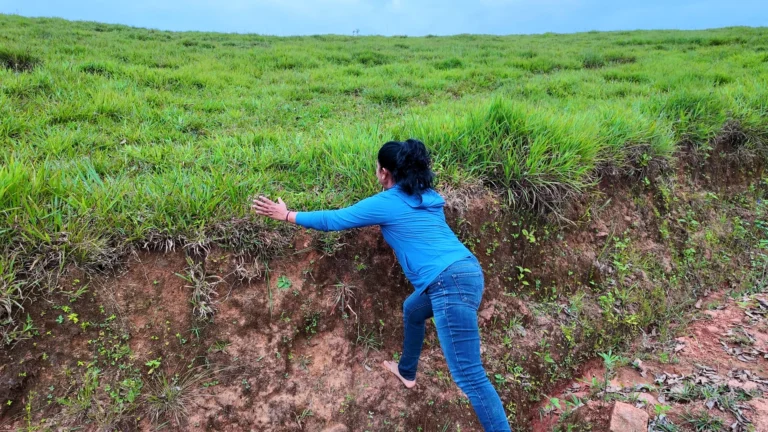
The earth is the most grounding element. When bare skin touches grass, soil, sand or rock, the body settles in a way no technique indoors can copy. I see the nervous system, the network of brain and nerves that controls stress and rest, calm down within minutes.
- Walk barefoot on natural grass, soil or sand for 10 to 15 minutes a day. Let the breath deepen by itself and feel the sensations rising from the soles.
- Lie on the grass and let the ground carry your weight.
- Rest your back or palms against a large tree and feel its stillness.
- Tend plants with your hands: touch the soil, repot, water them yourself.
Choose clean ground, and check it for glass, thorns and insects. If you have diabetes or poor feeling in your feet, wear thin shoes and use your hands on the soil instead.
Why lie or sleep on the floor?
When Kundalini brings heat, tremors, racing thoughts or sleepless nights, a soft, high bed can make you feel as if you are floating. Lying on a firm mat or thin mattress on the floor pulls you back into the body. It works even in a top-floor flat, because what matters is firm contact, not height.
Start by lying on the floor for 10 to 20 minutes with navel breathing. If it helps, try sleeping there. If you have back, hip or joint problems, keep a supportive mattress and use floor rest for short periods only.
How do you recharge in nature?
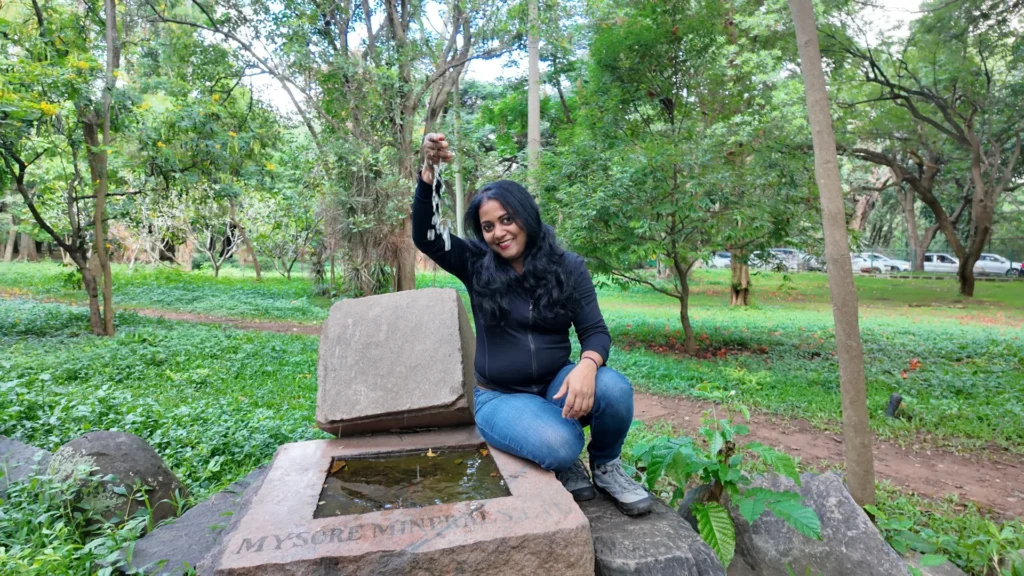
Air near waterfalls, rivers, the sea, rain and dense forest carries more negative ions, tiny charged particles created when water, wind, leaves and sunlight meet. In my understanding and experience, this air calms the mind and deepens the breath. That is why sages chose mountains, forests and caves.
- Go to the greenest, freshest place you can reach: a forest, a riverbank, a park after rain.
- Walk slowly for 20 to 30 minutes, barefoot where it is safe.
- Breathe through the nose and out through the mouth. Let your senses open to smells, sounds and colours.
- Explore with childlike curiosity. Drop the idea that you have “seen this before”.
Even one weekly visit helps. On other days, a tree-lined street or a few plants at home keeps the connection alive.
How do you take the morning sun safely?
Sunlight warms the body, lifts mood and recharges your energy. The best times are within the first hour after sunrise and the last hour before sunset, outdoors rather than through a window.
- Stand or sit outdoors facing the sun, with your eyes closed or your gaze resting on the ground.
- Feel the warmth on your face and chest. Imagine it flowing into your energy channels.
- Spread your arms, open your chest and breathe slowly for a few minutes.
Never stare at the sun, even at sunrise. Looking directly at it can damage the eyes permanently. Feel the light; don’t look into it. Protect your skin in strong sun.
Which daily chores ground the energy?
I call these instinctive activities: simple, whole-body work that humans have always done. They pull energy out of the thinking mind and into the muscles. They also give the brain something real to do, so it does not slide back into scrolling, reading and worrying.
- Washing dishes: best in the morning. The water element tells the nervous system it is safe.
- Sweeping: use a traditional broom and your whole body, with full, easy movements.
- Mopping: use a cloth mop, reaching forward with your whole body.
- Washing clothes by hand: start with one item, in a bucket, squatting if your knees allow.
Breathe out through the mouth as you work. Afterwards, when the body is tired, lie down for navel breathing. Don’t expect a result on the first day. Just notice how you feel.
How do you declutter to clear energy?
Piles of unused objects hold stuck energy, and many students sleep better once their rooms have space. My method is simple: remove ten things a day. You can donate, sell, recycle or throw them away.
- Pick one area, such as your bedroom or wardrobe.
- Spend up to an hour there and let go of ten things you no longer use.
- If ten a day feels too much, work in smaller sections. If you have more energy, give yourself a seven-day project for the whole home.
How do you practise the grounding smile?
During a hard awakening, many people forget how to smile. The body gives feedback to the brain, so making the shape of a smile starts to bring back the feeling.
- Stretch your lips and show your teeth, even if it feels mechanical.
- Say the vowels A, E, I, O, U loudly and slowly, stretching the mouth.
- Let the stretch turn into a smile. If laughter comes, let it.
- Repeat in front of a mirror for a few minutes a day.
Which practice should you use, and when?
| What you feel | Practice |
|---|---|
| Pressure or heat in the head | Navel breathing, then barefoot walking |
| A sudden surge of energy | Slow mouth exhalation, then the “O” exhalation lying down |
| Pulsing energy at night, poor sleep | “O” exhalation at bedtime, floor rest, nostril check |
| Restless, racing mind | External breath hold, walking with mouth exhalation |
| Heavy, numb or stuck body | Full-body tapping, then household chores |
| Feeling far away from life | Nature walks, morning sun, the grounding smile |
| A cluttered home and mind | Ten things a day |
A student’s story
A young man came to me feeling a little better in his body, but he spent most of his day reading. His mind had become the only place he lived. I told him that if I took the reading away without giving his brain something else, it would simply go back to its old habits.
So I gave him a plan: full-body tapping after waking, then washing the dishes. Later, sweeping with a broom, mopping with his whole body and washing one piece of clothing by hand. After the work, navel breathing lying down. Mouth exhalation was to go with every activity. I asked him not to expect anything, but to observe for one day and then continue for three, and we would review it together.
What I wanted him to learn is what I want you to learn. Grounding is not a special ritual. It is the body doing ordinary things fully.
Finding it hard to ground on your own? Sanju can guide your grounding in a one-to-one session.
Book a session with SanjuYour first week
Days 1 to 3
Breath and one chore
- Navel breathing for 10 rounds after waking and before sleep.
- Mouth exhalation whenever you notice tension.
- One household chore a day, done with the whole body.
Days 4 to 7
Add the earth
- A 20-minute walk with mouth exhalation, barefoot on grass where you can.
- Ten things out of your home each day.
- The “O” exhalation at bedtime if sleep is light.
When to get help
These are general instructions, and every body is different. If a practice brings up strong fear, memories or energy, slow down and work with guidance. Not every symptom during awakening is Kundalini.
When to seek medical or professional help
Grounding practices work alongside medical and psychological care, never instead of it. Do not stop or change prescribed medication without your doctor. Stop any practice that makes you dizzy, faint, numb, breathless or in pain. Do not practise breath holds if you are pregnant or have heart, blood-pressure, lung or seizure conditions unless your doctor agrees. Get help quickly if you go several nights without sleep, feel confused or unable to look after yourself. If you ever feel hopeless or think of harming yourself, contact local emergency services or a crisis line now. See a doctor for any symptom that frightens or worries you.
Self-check
- Where in your body does energy collect when you feel ungrounded?
- Which of these practices could you fit into tomorrow without changing your whole routine?
- What did your body do the last time you spent an hour in nature?
Knowledge check
These questions help you check your understanding of this lesson. If you can’t answer one, select it to go back to the part of the lesson that answers it.
Additional resources
This section contains helpful links to related content. It isn’t required, so consider it supplemental.
Lesson complete. Want help applying it to your own life?
Book a session with Sanju
Guru Sanju14 years guiding people through Kundalini awakening, with students in 50+ countries. I help you understand what is happening to you and turn it into growth.
Kundalini Grounding and Integration · Course menu
Kundalini Grounding and Integration