Module 2 · Lesson 6 · 7 min read
How to Increase Prana
Introduction
Prana is the life energy you take in through breath, food, water, sunlight and nature, and you increase it by breathing well and living close to the five elements. In this lesson I explain what prana is, how to tell whether yours is high or low, the daily practices that raise it, and how to build a steady supply through the elements of nature.
Lesson overview
This section contains a general overview of topics that you will learn in this lesson.
- What prana energy is, and how it moves through the body.
- The signs of high and low prana.
- Everyday ways to increase prana (pran urja).
- Building prana through air, earth, water, space and fire.
- What prana feels like, and whether you can see it.
The core teaching
Prana is the life force that separates a living body from a lifeless one. It comes in with every breath, meal and glass of water, and with sunlight and fresh air. The most reliable way to raise it is simple: natural belly breathing, fresh food, enough rest, and regular time in places where the elements are clean and abundant. During Kundalini awakening, high prana makes the rising energy feel smooth instead of harsh.
What is prana energy?
Prana is a Sanskrit word for life force, the fundamental energy that keeps you alive. In Hindi it is often called pran urja or pran shakti. I compare the body to a light bulb and prana to the electricity. The bulb is the same whether it is lit or not; what changes is the current running through it.
Prana enters through the air you breathe, the food you eat, the water you drink and the sunlight on your skin. It travels through nadis, thousands of subtle energy channels, to every cell. Yoga describes it moving in five directions, called the five vayus, or winds. One of them is apana, the downward-moving energy of elimination, which I explain in the purification lesson.
During Kundalini awakening, prana matters even more. Kundalini, the life energy rising through the spine, needs prana as its fuel. If prana is low, the rising energy feels harsh and invasive. If prana is full, it flows like a river.
How do you know if your prana is high or low?
| When prana is high | When prana is low |
|---|---|
| Belly breathing happens by itself | Breath stays shallow and high in the chest |
| Steady energy through the day | Tiredness that sleep doesn’t fix |
| A clear mind, present in the moment | Fog, worry and restlessness |
| Calm emotions | Irritability and low mood |
| Deep sleep | Light, broken sleep |
| Creativity and warmth with people | Withdrawal and heaviness |
You can also feel it in others. People with high prana are naturally attractive and easy to be around. People with low prana often leave you feeling drained.
How do you increase prana energy?
These are the practices that make the biggest difference, in the order I would start them:
- Breathe into the belly. Navel breathing morning and night, until belly breathing becomes your normal breathing.
- Go outdoors every day, where the air is freshest: a park, a riverbank, a hill.
- Take the morning sun on your face and body, eyes closed, never staring.
- Eat fresh, simple food cooked at home, and drink clean water when you are thirsty.
- Move mindfully: yoga postures, walking, tai chi or qigong.
- Release emotions instead of storing them. Crying, laughing and honest expression free blocked prana.
- Rest deeply, with real sleep and short periods of doing nothing.
- Limit screens and electronics, which pull your attention and energy outward.
- Laugh, be kind and feel grateful. Joy is pranic.
How do you build prana through the five elements?
For a steady, lasting supply of prana, I look at where you live and spend your time. Prana is strongest where the five elements of nature are clean and abundant, and where human interference is low.
- Air: breathe fresh air in natural places, away from traffic and pollution.
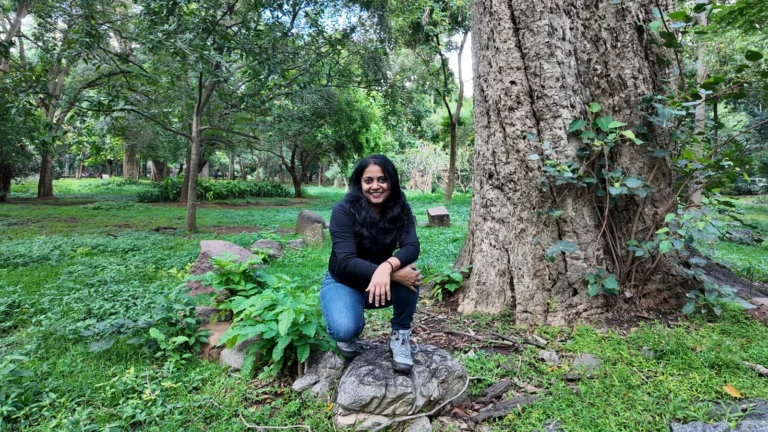
- Earth: spend time among trees, grass, rocks and soil, and touch the ground with bare feet. I find this calms inflammation and fills the body with prana.
- Water: spend time near rivers, streams, lakes and waterfalls. Drink only clean, safe water; untreated water from streams can carry infections.
- Space: seek open meadows, fields, parks and wide views. Space lets the mind expand and the breath deepen.
- Fire: go out into direct sunlight regularly. The sun is a natural source of prana.
If your daily life is in a city, give yourself regular refills: weekends in nature, longer retreats, or, if your life allows, moving somewhere greener. Some places carry especially strong energy; I write about them in the lessons on energy vortexes.
What does prana feel like, and can you see it?
Prana is often felt before it is understood. When you breathe deeply in a forest, walk barefoot on grass or stand in the morning sun, you may feel a gentle current, tingling or warmth moving through the body. That is the movement of prana. Over time you also notice it as brightness in the eyes, steadiness in the mind and lightness in the body.
Some people ask how to see prana. A few people do perceive light or movement around living things, but seeing prana is not the goal, and chasing visions can unsettle the nervous system during awakening. Feel it in your vitality, and that is enough.
From my own life
I choose where I live and travel partly for prana. When I wrote one of my recent teachings, I was in Pokhara, in Nepal, surrounded by sunlight, greenery and much cleaner air than most cities. I could feel my lungs, my energy and my nervous system respond.
I tell students that prana is not a luxury; it is the raw material of life. You may not be able to move to the mountains. But you can choose a park over a mall, a walk over a screen, a home-cooked meal over a packet. Every small choice is an investment in your prana.
Finding it hard to ground on your own? Sanju can guide your grounding in a one-to-one session.
Book a session with SanjuWhen to get help
Low energy is not always low prana. It can have many medical causes.
When to seek medical or professional help
See a doctor for tiredness that lasts weeks, breathlessness, unexplained weight loss, or low mood that doesn’t lift; thyroid problems, anaemia, infections and depression can all drain energy. Do not stop or change prescribed medication without your doctor. Stop any breathing practice that makes you dizzy, faint or breathless. Protect your skin and eyes in strong sun. If you ever feel hopeless or think of harming yourself, contact local emergency services or a crisis line now. See a doctor for any symptom that frightens or worries you.
Self-check
- Which of the five elements is missing most from your daily life?
- When did you last feel your energy fully alive, and where were you?
- What is one small choice this week that would raise your prana?
Knowledge check
These questions help you check your understanding of this lesson. If you can’t answer one, select it to go back to the part of the lesson that answers it.
Additional resources
This section contains helpful links to related content. It isn’t required, so consider it supplemental.
Lesson complete. Want help applying it to your own life?
Book a session with Sanju
Guru Sanju14 years guiding people through Kundalini awakening, with students in 50+ countries. I help you understand what is happening to you and turn it into growth.
Kundalini Grounding and Integration · Course menu
Kundalini Grounding and Integration