Module 4 · Lesson 3 · 8 min read
Childhood Trauma and Shiva–Shakti
Introduction
Childhood trauma often leaves the inner masculine, Shiva, weak and the inner feminine, Shakti, restless, and healing means bringing the two back into balance. In this lesson I explain what Shiva and Shakti are in Kundalini, how childhood trauma shows up in adult life, how to balance these two energies, and the practices that help you release the past and become a safe parent to yourself.
Lesson overview
This section contains a general overview of topics that you will learn in this lesson.
- What Shiva and Shakti mean in Kundalini.
- How childhood trauma upsets the balance between them.
- The signs of childhood trauma in adult life.
- How to balance Shiva and Shakti through breath, witnessing and daily life.
- How to release the people of the past and parent yourself anew.
The core teaching
You are a union of Shakti, the moving energy of Kundalini, and Shiva, the still awareness that watches. A childhood without safety leaves Shiva weak, so you feel unprotected, and Shakti overactive, so you can never rest. You restore balance by strengthening the witness, releasing stored pain through the breath, keeping the body active and the home in order, and withdrawing your attention from the people who hurt you.
What are Shiva and Shakti in Kundalini?
In the yogic tradition, Shakti is energy: movement, creation, feeling and action. Kundalini itself is Shakti, the life force that rises from the base of the spine. Shiva is consciousness: the still, silent awareness that does not move and simply sees. Every person, man or woman, carries both.
The journey of Kundalini is often described as Shakti rising to meet Shiva at the crown of the head. In everyday terms, it means your energy and your awareness learning to work together. Energy without awareness is chaos. Awareness without energy is lifeless.
| When… | You may feel |
|---|---|
| Shiva is weak | Unsafe, unprotected and insecure, as if no one is holding you. |
| Shakti is overactive | Always busy, always chasing tasks, unable to rest. |
| Both are balanced | Protected and centred, active when needed and calm when not. |
How do you balance Shiva and Shakti?
The balance shows in the breath and the nervous system. In yoga, the solar channel (Surya nadi) carries activity and the lunar channel (Chandra nadi) carries calm. When the solar side dominates, stress rises; when the lunar side dominates, lethargy sets in. When both flow evenly, the central channel, Sushumna, opens, the mind quietens and life comes from awareness instead of compulsion. This mirrors the two branches of the nervous system: the active sympathetic and the restful parasympathetic.
Practically, you balance them in three ways:
- Strengthen the witness (Shiva). Sit quietly and notice the space around you with eyes open, then the space inside with eyes closed. Ask: who is aware of both? The child suffered, the adult struggled, relationships changed, and through all of it something was watching. That witness is who you are. Practise the witness pause through the day.
- Settle the energy (Shakti). Use the breath: slow mouth exhalation whenever thoughts or emotions rise, and a gentle hold after the out-breath (below).
- Give Shakti healthy work. Do not sit idle. Clean, arrange, walk and create. Movement keeps energy flowing instead of churning in the mind.
What are the signs of childhood trauma in adulthood?
Childhood trauma often stays hidden. You may not remember it clearly, or you may think it “wasn’t that bad”. It shows instead in patterns:
- Feeling lonely even when surrounded by people.
- Constantly seeking love or approval, and never feeling it is enough.
- Sabotaging relationships or struggling to succeed at work.
- Sudden bursts of anger, irritation or frustration.
- Switching between feeling like a victim and feeling like the one who hurts.
- Numbness or difficulty knowing what you feel.
- Either hiding away from people, or over-socialising and seeking attention.
- Physical signs of a stressed system, such as constipation, fatigue or tension, and leaning on alcohol, smoking or food to cope.
These patterns began as ways to survive an unsafe childhood. They are not who you are, and they can change.
Practices for healing childhood trauma
- Purging with the breath. In privacy, recall the painful memory. Allow tears or trembling. Breathe out slowly and audibly through the mouth, long and complete, until the emotion empties. Repeat until calm replaces heaviness.
- The breath of integration. Sit upright. Breathe in slowly through the nose, breathe out completely, then hold the breath out for as long as is comfortable, never straining. When the urge to breathe comes, breathe in gently. Start with a few rounds and build slowly; longer practice is learned with guidance. See the external breath hold.
- Walk when thoughts flood in. If the past floods your mind, stand up, walk and keep breathing out through the mouth until the thoughts settle.
- Order the home. Clean, dust and arrange daily. Let outer order mirror the inner clarity you are building.
- Keep a light. I sometimes suggest keeping a small lamp burning at home as a symbol of light and protection, with a few flowers. When old thoughts return, look at the flame and breathe out until peace returns. Never leave a flame unattended.
How do you release the people who hurt you?
Those who harmed you may have left your life physically but still live in your mind. Every time you replay what they did, you give them your attention, and attention is your personal power. It is time to stop hosting them.
This does not mean pretending nothing happened or forcing forgiveness. It means withdrawing your energy. When an old face or scene appears, notice it, breathe out, and bring your attention back to your own life today. You do not need anyone’s approval to move on. In my understanding, life balances its own accounts. Your work is your health, your peace and your growth. When your life becomes bright, the people of the past lose their power over you.
Becoming the parent you never had
When Shiva strengthens in you, you can become both father and mother: to yourself and, if you have them, to your children. A father’s energy is watchful and steady, giving protection, discipline and boundaries. A mother’s energy is soft and open, giving a space where anything can be shared.
What your parents could not give you, you can give now. Many parents also carry guilt and over-identify with their role: my child, my failure. Remember that you nurture what life creates through you. Letting go of that over-attachment lets you serve your children better, with less fear.
A student’s story
A woman scientist came to me carrying layers of insecurity and pain. Her childhood had been unsafe, with an alcoholic father, harsh guardianship and deep emotional neglect. Later came betrayal in her marriage, a painful separation, raising two sons alone and caring for her ill mother. She was brilliant in her work, but her nervous system carried the scars of all those years.
During our session she felt as if strong arms were holding her close. To me, that was the sign of Shiva, the protective masculine consciousness, entering her life. I explained that her inner masculine had been weak, which is why she felt unsafe, and her energy had been constantly in motion. Her practice was to release the stored pain through mouth exhalation and tears, to practise the breath hold daily, to keep her home clean and a lamp lit, and to stop giving mental space to the people who had hurt her. For her sons, I asked her to be both a steady father and an open mother.
Recognise yourself in this story? Alongside any medical care, Sanju can help you understand your own experience in a one-to-one session.
Book a session with SanjuWhen to get help
Childhood trauma can be deep, and working with it can bring up strong memories.
When to seek medical or professional help
Seek a trauma-informed therapist if memories, flashbacks or nightmares disrupt your life, or if you feel numb or unsafe much of the time. If you are being harmed now, contact local emergency services or a local support service. The breath hold is not for those who are pregnant or have a heart, blood-pressure, lung or seizure condition. Do not stop or change medication without your doctor. If you have thoughts of harming yourself, contact local emergency services or a crisis line now. See a doctor for any symptom that worries you.
Self-check
- Right now, is your Shiva or your Shakti out of balance?
- Which signs of childhood trauma do you recognise?
- Whose voice from the past still lives in your mind?
Knowledge check
These questions help you check your understanding of this lesson. If you can’t answer one, select it to go back to the part of the lesson that answers it.
Additional resources
This section contains helpful links to related content. It isn’t required, so consider it supplemental.
Lesson complete. Want help applying it to your own life?
Book a session with Sanju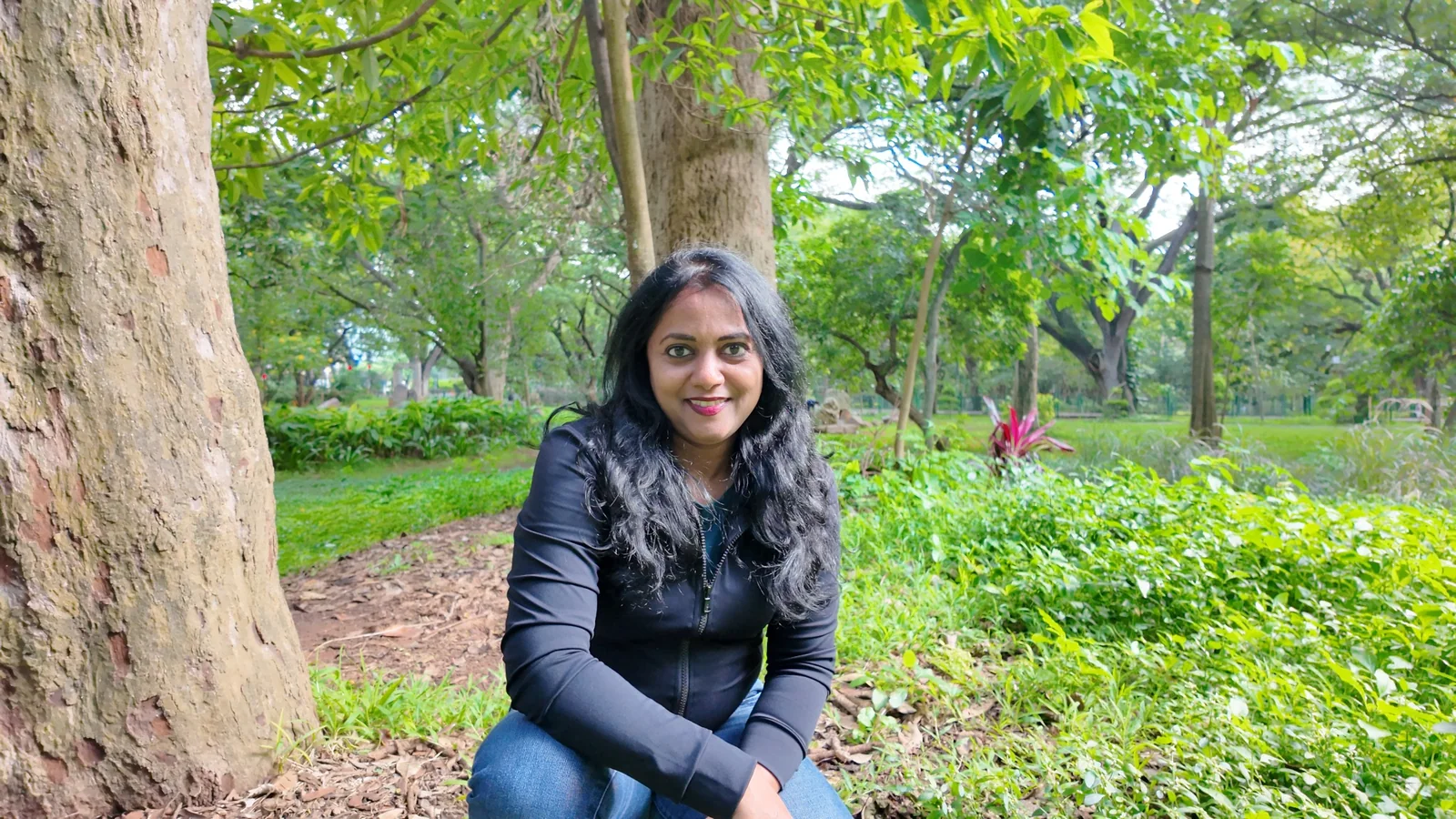
Guru Sanju14 years guiding people through Kundalini awakening, with students in 50+ countries. I help you understand what is happening to you and turn it into growth.
Kundalini and Mental Health · Course menu
Kundalini and Mental Health