Module 5 · Lesson 2 · 7 min read
Rewiring the Brain
Introduction
Your brain runs on neural pathways built by repetition, and you can build new ones the same way: by responding consciously, again and again, until the new response becomes natural. In this lesson I explain what neural pathways are, how fear and trauma lay down limiting ones, how to create new pathways by shifting from the mind to awareness, and the body-based habits I teach to rebuild the brain after a long period of illness or overload.
Lesson overview
This section contains a general overview of topics that you will learn in this lesson.
- What neural pathways are, and how they form.
- How trauma, fear and suppression create limiting pathways.
- How to create new neural pathways through conscious response.
- Why walking, conscious eating and simple tasks rebuild the brain.
- How to stop comparing yourself with your past self.
The core teaching
Every repeated action, thought and reaction builds a road in your nervous system. Fear and suppression build roads that keep you small. You will never rebuild every road one by one. Instead, you change the place you live from: you step out of automatic reaction into awareness, respond freshly in the present, and repeat it. Daily walking, slow conscious eating and small completed tasks give the brain the repetition it needs.
What are neural pathways?
Neural pathways are the networks your brain builds in the nervous system. Think of them as roads. Every time you repeat an action, thought or reaction, the road gets stronger, just as traffic wears a path into the ground. Once a road is laid, the brain keeps using it without asking you.
Brushing your teeth is a simple example. You learned it once in childhood. Now your hand does it automatically. The same is true for how you eat, speak, walk, work, and how you react when someone raises their voice. Medicine calls the brain’s ability to form and reorganise these connections neuroplasticity. It continues throughout life.
How do trauma and fear create limiting pathways?
Not every pathway serves you. If you grew up in a home where your parents often fought, you may have learned to suppress your feelings to stay safe. That was wise for a child. But the pathway stays. Years later, when someone shouts at you at work, the healthy response would be to address it calmly and firmly. Instead, the old road takes over: you go silent, absorb it and let the other person dominate.
Fear, guilt, shame, anger, grief and suppression all lay down low-energy roads like this. Over time you live less as a conscious person and more like a programmed robot: fearful, dependent, hesitant to take risks, and repeating the same painful experiences without knowing why.
How do you create new neural pathways?
There are millions of roads. If you tried to change every habit one by one, it would take lifetimes. The deeper solution is to change where you live from: from the reacting mind to awareness. Awareness, or consciousness, is the part of you that can watch the mind instead of being driven by it. From there, you respond to the present instead of replaying the past.
- Notice the old road. Observe where you react mechanically, where fear drives you and where suppression repeats.
- Pause and choose. When the old reaction starts, pause and breathe out. Then choose a conscious response. If someone shouts, address it calmly and firmly instead of collapsing into silence.
- Remember who is choosing. You are not your pathways. They are patterns, and patterns can be changed. Practise the witness pause to strengthen this.
- Repeat. Every conscious response strengthens the new road. Old habits formed through repetition; new ones form the same way.
Why does the body rebuild the brain?
After a long illness, a breakdown or years of overload, the brain needs more than insight. It needs repeated, felt experience. The simplest tools are the most powerful.
- Walk, and increase slowly. If you walk four kilometres, add half a kilometre. Over 30, 60 and 90 days, distance grows naturally. Some days can be shorter; the average should rise. Make it enjoyable: go into nature, explore, vary the route.
- Eat consciously. Chew each mouthful until it is soft and mixed with saliva. Start with one meal a day, then more. You feel lighter, crave less and stop when the body has had enough.
- Feel what you are doing. Do one thing at a time and feel it through the senses. Rushing through the only moment you have keeps the mind in charge.
- Complete small tasks. Each finished task tells the brain, “I can.” See daily action.
- Breathe. Long mouth exhalations and a gentle breath hold after exhaling support a calmer, more regenerative state.
Stop comparing yourself with your past self
One of the biggest obstacles to rewiring is constantly measuring yourself against who you used to be, or against other people. A newborn child does not wonder how the rest of the world is living. It simply learns to eat, walk and relate. Take that attitude. Do not carry the burden of what you were or what you will become. You are learning to live in a new way, one day at a time.
A student’s story
A woman about to turn forty came to me during her recovery. She had lived with a bipolar condition and many fears about her health, and her mind kept telling her stories about what might go wrong. When I looked at her condition, I told her she was in a much better state than a few months earlier, and that the fears were mostly the mind talking.
She was already walking four to five kilometres a day, which showed me her potential. I asked her to take the walk a little further over time, never forcing it, until ten to twelve kilometres felt natural over a few months, and to make her weekends alive with nature and activity. I taught her to eat consciously, starting with one meal a day. And I asked her to stop referring to her past self, and to live like a newborn learning life again, with attention and presence.
Recognise yourself in this story? Alongside any medical care, Sanju can help you understand your own experience in a one-to-one session.
Book a session with SanjuWhen to get help
Rewiring is gradual, and it works best alongside proper care.
When to seek medical or professional help
If you have a diagnosed mental health condition, keep working with your doctor or psychiatrist, and do not stop or change medication without them. See a doctor for memory problems, confusion or changes in personality. Increase walking gradually, and stop if you have chest pain, breathlessness or dizziness. The breath hold is not for those who are pregnant or have a heart, blood-pressure, lung or seizure condition. If you have thoughts of harming yourself, contact local emergency services or a crisis line now. See a doctor for any symptom that worries you.
Self-check
- Which automatic reaction would you most like to change?
- How far do you walk on an average day?
- Where do you compare yourself with your past self?
Knowledge check
These questions help you check your understanding of this lesson. If you can’t answer one, select it to go back to the part of the lesson that answers it.
Additional resources
This section contains helpful links to related content. It isn’t required, so consider it supplemental.
Lesson complete. Want help applying it to your own life?
Book a session with Sanju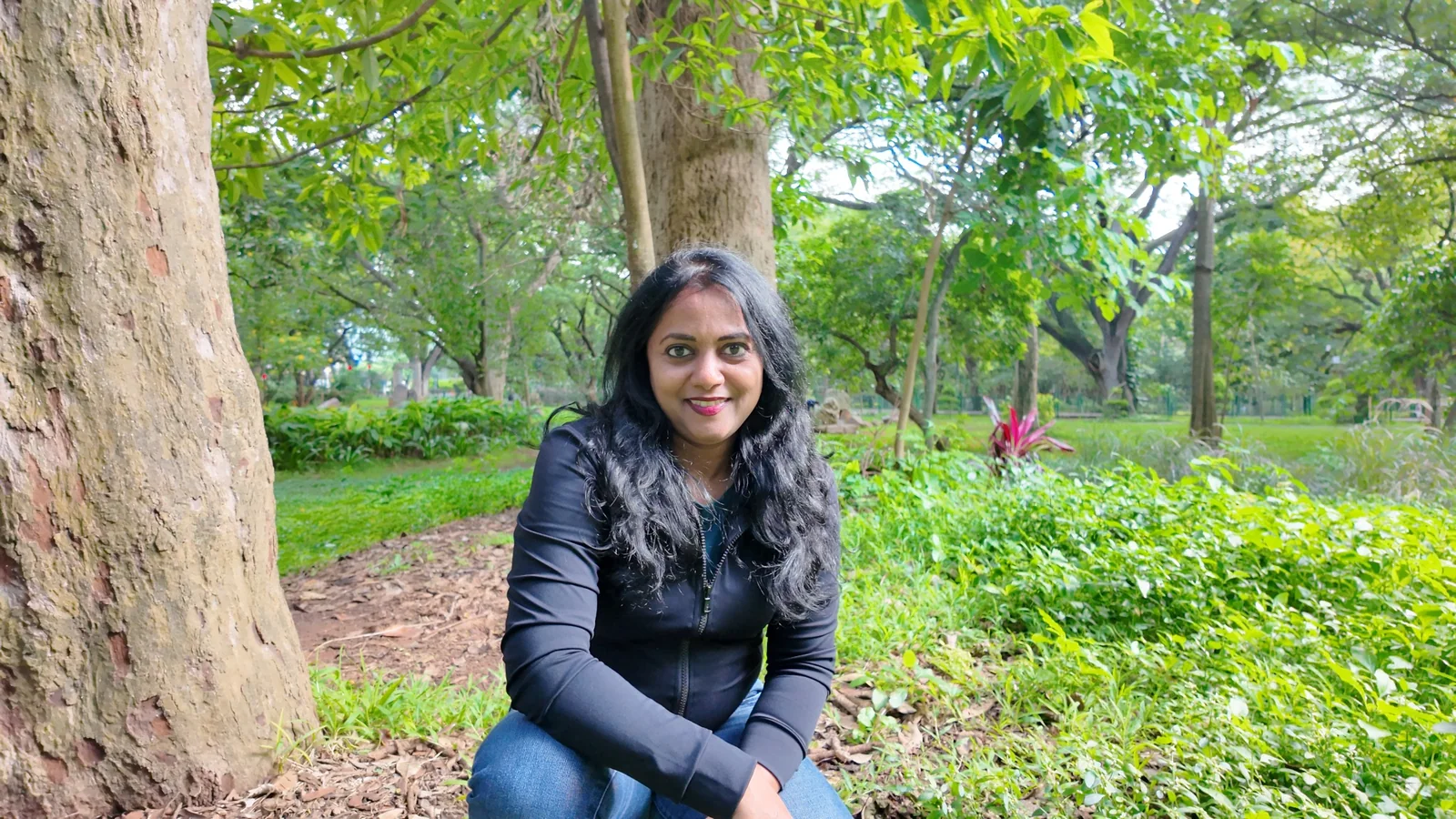
Guru Sanju14 years guiding people through Kundalini awakening, with students in 50+ countries. I help you understand what is happening to you and turn it into growth.
Kundalini and Mental Health · Course menu
Kundalini and Mental Health