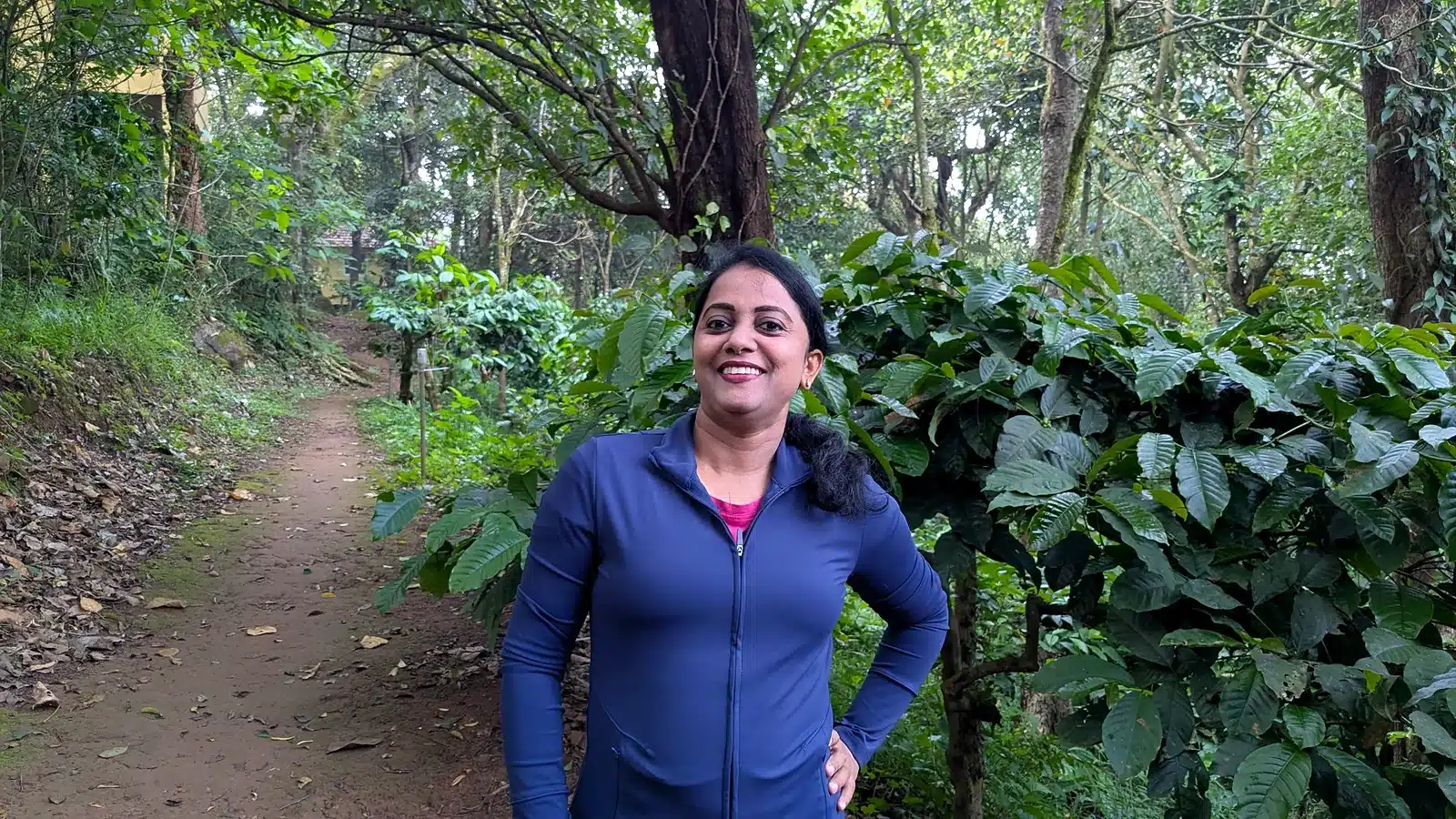
The Core Teaching
When daily life already feels overwhelming, the immediate task is to settle before asking for more intensity or a higher spiritual milestone. I bring Amme’s attention back to her present experience and ask her to notice what changes during the session. The broader instruction is to make conscious eating, breathing, and living part of an ordinary routine. In my spiritual approach, integration begins with a steadier relationship to daily life, giving the next stage time instead of turning awakening into another urgent achievement.
Part of my Kundalini Grounding and Integration guide · Teachings by Guru Sanju
When the System Is Too Loud, I Don’t Add More Noise
Amme came to me after months of confusion.
Vertigo that appeared out of nowhere.
Then pressure in the head and neck.
Waves of movement in the lower back.
Heat rising. Jerks at night.
Gas and apana moving upward, worsening dizziness.
Fear, worry, and symptoms multiplying—until life, sleep, food, and work all became difficult.
She had tried doctors. Alternatives. Nothing really settled it.
So when we met, I didn’t begin with theories.
I began with one instruction:
Keep the phone stable. Look into the camera. I will diagnose you live.
The First Medicine: Stillness
Even her speaking was effort.
So I told her something brutally simple:
When dizziness comes, sleep.
Not because sleep “solves everything.”
But because her mind was too active and the nervous system was already in hyperdrive.
When the system is hyper-sympathetic, even a 15-minute conversation becomes stimulation.
So first, I slowed her down.
Hands one by one.
Right. Then left.
Then: breath.
A few breaths.
No debate.
I Named It Clearly: Kundalini + Hyper Sympathetic Mode
I told her what she needed to hear:
You are going through Kundalini awakening.
And because of this, her brain and nervous system had moved into hyper sympathetic mode—
too much activation, too much firing, too much alertness.
That is why she feels unstable.
So the goal is not “send Kundalini beyond the seventh chakra.”
The goal is first:
calm the system into parasympathetic mode.
Because only a regulated system can process Kundalini safely.
Timeline: With Guidance vs. Alone
She wanted to know: How long will this take?
So I answered without fantasy.
If she works with me consistently—
sessions once in 15 days or once a month, regular implementation—
I can complete the process in about one year.
If she does it alone, disconnected, confused, self-guiding—
it can take around three years.
Not because she is weak.
Because nervous system rewiring needs consistent correction.
ICU Logic: Oxygen, Not Philosophy
Then I explained the reality.
She is not in a “normal” phase.
Her system is like ICU right now.
And I told her plainly:
My sessions are like giving oxygen.
You take what you need, based on how your body receives it.
So I advised:
Book one one-hour consultation—
where energy work, transmission, and technique training all happen in one container.
Then implement the protocol for 20–30 days.
The Truth About What Kundalini Will Do
I didn’t romanticize it.
I told her:
You are identified with your personality.
Kundalini will dismantle that.
It breaks what is false.
It reorganizes what is real.
If you fight it alone, panic grows.
If you stay with the process, guided, the transformation becomes calm.
So I brought the focus back to the foundation:
brain and nervous system first.
Conscious breathing.
Conscious eating.
Conscious living.
Right now, everything is unconscious.
I Didn’t Teach Many Things. I Calmed Her First.
Her questions were answered.
Now she needed regulation.
So I said:
For the next 6–7 minutes, I will calm you down.
And I gave her one strong technique.
Not complicated.
Not mystical.
A direct nervous-system switch.
The Technique: External Breath Hold Comeback
I made her learn by watching me first.
Inhale slowly through the nose — belly inflates.
Exhale through the mouth — complete exhalation.
When exhalation is totally complete:
Hold the breath.
And I added one stabilizer:
There are two depressions near the nostrils.
Close them gently with one hand during the hold.
Hold 3–5 seconds.
Release. Repeat.
Ten rounds.
Eyes closed the entire time.
Because her nervous system was hyperactive—
even the eyes were struggling to stay closed.
So I told her to use a cloth if needed.
No interruptions.
Just breath, hold, release.
The Proof Came Immediately
After the rounds, I asked her to feel the difference.
And she reported it:
Energy and vibration in the head.
I checked again:
Do you feel calmer than before?
Yes.
Then I told her to open her eyes slowly and look around.
I asked a practical question:
Can you see a difference in your eyesight? Can you look a little better than before?
Because when the nervous system shifts, vision often changes first.
The Prescription After the Session
I gave her one instruction, not ten.
Do this practice 50 times after this session.
Or do it for 15–30 minutes and keep count.
Then:
Book the one-hour consultation.
Because that container is where real stabilization, transmission, and clarity happen.
What This Session Was Really About
This session was not about “going up.”
It was about coming down.
Back into the body.
Back into breath.
Back into safety.
When the nervous system calms, Kundalini stops feeling like chaos.
And the process becomes intelligent.
Choose Your Next Discourse
- Why Grounding Is Not Calming Your Kundalini Energy
- What Practices to Stop When Kundalini Becomes Intense
- What to Do When Kundalini Becomes Too Overwhelming
Explore the complete Kundalini Grounding and Integration guide →

Reduce Overload before Adding More Kundalini Practices
I am Guru Sanju. I guide you to review what increases stimulation and establish ordinary grounding, rest and gentler practice before considering further energy work.
Latest Kundalini Grounding and Integration Discourses
Why Grounding Is Not Calming Your Kundalini Energy
Putting your feet on the earth will not complete the responsibilities, relationships, and changes you keep postponing. Grounding also means settling unfinished business and letting your life force move through practical action. I ask you to leave stagnant habits and environments, use your body and senses, and follow your life purpose instead of turning movement into another numerical target. The deeper work is to become embodied in the life you actually need to live.
Read discourse →
What Practices to Stop When Kundalini Becomes Intense
If the practices you keep adding leave you increasingly overwhelmed, stop making more practice the solution. I ask you to put intense activation aside and return to eating, sleeping, movement, self-care, and direct sensory experience. Years invested in a technique do not obligate you to continue it when its effect is unhelpful. Letting go includes the identity built around constant spiritual effort. The central instruction is to make room for ordinary life again and address health concerns, with further guidance shaped by your actual capacity.
Read discourse →What to Do When Kundalini Becomes Too Overwhelming
An overwhelming activation is not an invitation to keep increasing intensity. First notice what set it off and what continues to stimulate it, including forceful practice, intoxicants, and compulsive digital activity. Bring attention back to the body through gentle, manageable grounding and investigate the health concerns involved. My first aim is that you feel sufficiently safe and settled to participate in life. Further work should follow your actual condition and capacity; a powerful experience alone does not mean it has been integrated.
Read discourse →All Discourses in Kundalini Grounding and Integration
127 published discourses, listed alphabetically. Choose a title to read the full discourse.
- #1 IGG- Verified Energy Vortex – Chitralekha Udyan, Tezpur, India
- 10 Secrets to Improve Your Health – The Best Guide
- Accept Your Kundalini Journey and Heal Faster
- Activate the Vagus Nerve & Balance Your Brain—A Guide
- Activate Your Inner GPS and Enter the Flow Frequency
- Alisa’s Himalayan Journey to Deep Healing and Recovery
- Awakening the Nervous System: Energetic Mastery
- Balance Your Brain, Breath, and Energy to Reclaim Natural Flow
- Benefits of Negative Ions in Kundalini Awakening
- Beyond the Matrix: Grounded Freedom through Kund Breathing
- Breathing, Vagus Nerve, and Gentle Transition in Awakening
- Calm First. Then Kundalini Moves Safely.
- Declutter Your Home, Clear Your Energy
- Decluttering Is the Fastest Way to Clear Energy
- Decluttering the Space to Activate Inner Power
- Energy Healing of People, Places, and Animals
- Energy Vampires and Kundalini: Protecting the Currency of Attention
- Energy Vortex- 23 Positive Signs And Benefits of IGG-Verified Energy Vortexes
- Energy Work through Ancient Pottery and Nature’s Green Healing
- Energy Work Through Instinctive Activities – Flowing with Life
- Flowing Beyond Stuckness: Five Sacred Steps to Free Your Energy
- From Childhood Trauma to Kundalini Grounding
- From Dependency to Presence — How I Helped Her Reclaim Life Through Energy
- From Freeze Mode to Freedom with Mouth Exhalation
- From Prison to Freedom: My Freedom Project for the Soul
- From Stagnation to Freedom: Energetic Mastery with Sam
- Grass Grounding and the Science of Negative Ions in Kundalini Awakening
- Green Nature Opens the Heart and Heals Life
- Grounding a Surging Kundalini and Restoring Sacred Sleep
- Grounding Kundalini, Restoring Sleep, and Returning to Simple Life
- Healing by the Energy of the Hands
- Healing Freeze Mode: From Fibromyalgia to Flow With Mouth Exhalation and Nature
- Healing the Overloaded Nervous System through Breath, Grounding, and Stillness
- Healing Through Surrender: My Energetic Diagnosis and Guidance for Alisa
- Himalayan Prana: The Fuel for Kundalini Rise
- Himalayan Sadhana: The Essential Catalyst for Kundalini Awakening
- How Cooking, Grass, and Breath Heal the Nervous System
- How I Ground Kundalini Energy in the Body and Brain
- How I Healed Samuel through Life Frequency and Overcame Kundalini Challenges
- How I Integrate Kundalini Through Instinctive Living
- How I Move Your Kundalini Powerfully Through Flow Frequency
- How I Prepare Students for the Himalayas and Kundalini
- How Kundalini Rewires You | Brain and Nervous System Instinctive Activities
- How Much Water Should I Drink in Kundalini Awakening?
- How My Energy Work Makes You Sharp and Stable
- How Sunlight Heals Anxiety, Fatigue, and Suppression
- How to Calm an Overloaded Nervous System
- How to Detect and Remove Negative Energies from Your Home
- How to Increase Prana Energy- The Best 25 Practical Secrets
- How to Integrate Kundalini With Your Brain and Nervous System
- How to Purify Your Body and Life Force During Kundalini
- How to Remain Energetically Fit and Healthy?
- How to Shift Your Energy?
- How to Sleep Better at Night Naturally?
- I Clear Kundalini Paralysis Through Breath and Power
- I Heal Kundalini Stagnancy Through Daily Movement
- IGG-Verified Energy Vortexes Project – Discover Why?
- Importance Of Energy Vortexes for Kundalini Awakening
- Inner GPS Gurus Power Healing
- Instinctive Activities to Ground Kundalini Awakening
- Integrate Kundalini and Build a Life of Freedom
- Intense Kundalini Energy Surges: Prana, Ojas and Guidance
- Kundalini and Negative Ions: The Hope of Awakening
- Kundalini and the Brain–Nervous System Transformation
- Kundalini and the Power of Negative Ions in Moving Wind and Primitive Joy
- Kundalini and the Power of Negative Ions in Nature
- Kundalini Awakening – Brain and Nervous System Health
- Kundalini Awakening and Brain Rewiring Activities
- Kundalini Awakening and Grounding in the Wild Jungle: Reducing Inflammation through the Energetic Mastery Method
- Kundalini Awakening and Grounding on the Grass – Healing Neurosis Through the Earth Element
- Kundalini Awakening and the Healing Power of Negative Ions
- Kundalini Awakening and the Healing Power of Negative Ions in Dense Nature
- Kundalini Awakening, Karmic Bonds, and Instinctive Grounding
- Kundalini Awakening, Road Walk, and Travel Grounding with Energetic Mastery Method
- Kundalini Awakening, Trauma Release and the Himalayan Call
- Kundalini Awakening: Bring Your Energy Back to Body
- Kundalini Awakening: From Head Overload to Heart Balance
- Kundalini Awakening: How to Heal Without Forcing
- Kundalini Awakening: Reclaim Your Energy and Focus
- Kundalini Awakening: Return to Your Inner Center
- Kundalini Awakening: The Value of a Smile for the Brain and Nervous System
- Kundalini Breathing: Conscious Release Without Force
- Kundalini Care: Breathing, Grounding and Boundaries
- Kundalini Detoxification Technique | Alcohol Addiction | Flush Trapped Energy
- Kundalini Freedom Project: Training Your Body for the Himalayas
- Kundalini Grounding Through Instinctive Work
- Kundalini Grounding Through Quantum Breathing
- Kundalini Grounding When You Feel Overwhelmed
- Kundalini Guru’s Guide to Vagus Nerve and Inner Freedom
- Kundalini Healing Through the Art of Doing Nothing
- Kundalini Integration: Training the Nervous System
- Kundalini, Negative Ions, and the New Life Frequency
- Negative Ions: The Secret Fuel for Kundalini Ascension
- Nervous System First, Everything Else Follows
- Nervous System Regulation Techniques for Chronic Illness
- No. 1 Secret to Remove Apana (Toxicity) in the Kundalini Awakening Journey
- No.1 Secret Herb Formula to Remove Apana (Toxicity) During Kundalini Awakening
- Preparing for Himalayan Kundalini Project: Eye, Stamina, and Nervous System
- Radiating Positive Energies: Unlock Unlimited Brain Power
- Releasing Negativity and Restoring Sleep through Energetic Healing
- Restoring Divine Energy – Julia’s Journey from Emptiness to Life
- Secrets to Detect Negative Energy in a House
- Sedona Energy Vortex- Exploring the Power
- Self-Love: Benefits of Self-Love for Self-Healing
- She Was Never Lazy: How Energy Reset Gave Her Life Back
- She Was on 1% Battery — So I Took Her Back to Breath
- Spiritual Awakening and Benefits of Sunlight
- Spiritual Grounding Techniques – Secrets from Guru Sanju
- The Art of Decluttering – Freeing Body, Mind, and Energy
- The Matrix Wants You Exhausted—Kundalini Doesn’t
- The Moment the Body Let Go
- The Rest and Digest Mode of the Brain: Unlocking Your True Health and Vitality
- The Secret to Get Dopamine Naturally
- The Secret to Grounding Kundalini Is Giving
- Unlock Your Body’s Hidden Power and Break Free From Deep Tension
- What Is Health? Get Healed and Integrated
- What Practices to Stop When Kundalini Becomes Intense
- What to Do When Kundalini Becomes Too Overwhelming
- When Life Returns to the Nervous System
- When Space Opens, Magic Enters: Ayse’s Energetic Reset
- Why Grounding Is Not Calming Your Kundalini Energy
- Why Himalayan Trekking Accelerates Kundalini Awakening
- Why I Train the Body Before Awakening Kundalini
- Why Letting Go of Objects Brings Calm Before Any Technique
- Why Sleep Hygiene Matters in Kundalini Awakening
- Your Brain Is Dying — Walk Into the Jungle Now
- Your Unlimited Energy Supply: Why Healing Is the Key to Living Fully