Part of my Kundalini Grounding and Integration guide · Teachings by Guru Sanju
Grounding When Anxiety Feels Overwhelming
I am Guru Sanju. This session with Ayşe focuses on one question: how can I return attention to the body when awakening feels overwhelming? I describe the experience through my Kundalini teaching, using breath, posture and attention. This is a personal session account, not a medical diagnosis or proof that energy work changes brainwaves, cells or a quantum field. Anxiety, dizziness and brain fog can have several causes and deserve clinical assessment when persistent or severe. For the wider practice framework, read my teaching on posture and daily movement.
Ayşe, Take Your Symptoms Seriously
Ayşe, listen carefully.
Your experience is real. A Kundalini interpretation does not rule out a physical or mental-health condition.
I am working with you through my Kundalini framework; these symptoms alone cannot establish their cause.
In my energetic reading, you feel highly activated and need steadiness before further practice. This is my interpretation, not a measured neurological finding.
This is why you feel:
- brain fog
- anxiety whose cause feels unclear
- dizziness
- fear loops
- resistance to life
- questions about prescribed medication
You may feel overactivated. Let us respond carefully rather than assume that every symptom has the same cause.
And overactivation needs grounding — not control.
My Energetic Reading: Return Attention to the Body
Right now, your Kundalini is concentrated in the upper chakras.
When energy stays in the head:
- concentration may feel difficult
- thoughts loop
- fear amplifies
- identity dissolves faster than safety builds
So my first job is not awakening.
My first job is grounding.
We bring energy back into:
- the breath
- the spine
- the belly
- the nervous system
Only then does freedom become stable.
The Core Practice: Attention Without Force
Understand this clearly.
Do not force yourself into calm. Notice what helps you feel present and what makes the symptoms stronger.
Attention is central to the way I teach grounding.
Where attention goes, energy flows.
And what flows, transforms.
Returning attention to comfortable breathing may help you settle. If focusing on breath increases distress, stop and notice your surroundings instead.
When the nervous system feels safe,
Kundalini cooperates.
This is the approach I use in this session.
Why Breath Is the Gateway
Breath is not a technique.
Breath is life entering the body.
When you inhale consciously:
- prana enters
- you notice the movement of the ribs and abdomen
- you observe whether the breath feels easier
When you exhale fully:
- you may notice tension softening
- carbon dioxide exits
- dense energy dissolves
This is why I insist on slow exhalation.
I use release as an experiential term here. Exhaling does not establish that trauma or toxins have left the body.
The First Shift: External Breath-Hold (Comeback Technique)
This breath-hold belongs to an individual guided session. It is optional and is not a general prescription for anxiety.
For self-practice, begin with gentle breathing without holds. Discuss breath-holding with an appropriate healthcare professional if you have a medical condition or symptoms that concern you.
How it works:
- Inhale slowly through the nose
- Exhale comfortably through the mouth, without squeezing the lungs empty
- If individually assessed as suitable, use only a brief, comfortable pause after exhalation
- Do not strain or resist the urge to breathe; omit the pause if uncomfortable
- Release gently
In this session, the intention is to:
- bring attention away from repetitive fearful thoughts
- observe whether the practice feels settling
- return attention to bodily sensations
A pause may change your experience of attention. It does not prove that thoughts or anxiety have been eliminated.
Stop if you feel dizzy, faint, breathless or more anxious, and return to ordinary breathing.
Release as an Energetic Experience
Fear can involve emotions, thoughts and bodily sensations.
I sometimes describe its felt intensity as stored charge; that is my energetic language.
This description is not evidence of a measurable electrical charge or a treatment for trauma.
This is why I introduce:
- long mouth exhalations
- repeated rounds
- a subjective sense of release
In my experiential language, release can feel like:
- less intensity
- dense energy
- less emotional heaviness
The cleaning image is a metaphor, not a physiological explanation of trauma recovery.
Medication Decisions Belong With Your Prescriber
Do not stop or reduce prescribed medication because of a session or an energetic interpretation. Any change must be discussed with your prescribing clinician.
I listen to your reported experience; I do not use that observation to prescribe medication changes.
If your symptoms change:
- tell your prescribing clinician
- continue medication as prescribed unless your clinician changes it
- bring concerns about benefits, side effects or withdrawal to that clinician
Concerns about medication deserve a practical discussion with the professional who knows your treatment.
Grounding can sit alongside clinical care; it does not replace it.
This is mastery.
The Spine Is the Highway
Now listen carefully.
Kundalini does not flow randomly.
She flows through the spine.
Pain, numbness, weakness or a suspected spinal problem needs medical assessment. Do not assume it is an energy blockage.
That is why I introduce the reverse resting posture:
- pillow under the chest
- spine gently extended
- belly touching the ground
In this position:
- vagus nerve activates
- you notice whether the position feels comfortable
- you keep the breath unforced
- you stop if pain, pressure or dizziness increases
You do not “do” anything here.
You allow.
The Second Phase: Comfortable Belly Breathing
Once the spine is open,
we return to belly breathing.
Hands placed below the navel.
Each inhale:
- brings attention to the abdomen
- allows you to notice gentle abdominal movement
- helps you stay connected with bodily sensations
Each exhale:
- allows a comfortable release of breath
- releases shame, fear, contraction
This is how life returns to the body.
Not through thought.
Through nourishment.
The Deeper Truth: You Heal Yourself
Ayşe, understand this.
I am not healing you.
I am guiding your consciousness back to itself.
Healing happens when:
- you are present
- you are breathing
- you are in the body
I describe this as bringing consciousness back to your experience. It is a spiritual teaching, not a promise of medical recovery.
My role is to guide your attention and adapt the practice to what you report. Outcomes differ between people.
Practise Consistently Without a Fixed Count
This is not a one-time session.
This is a practice of returning attention, rather than a measured claim of brain rewiring.
You must do:
- the practices
- consistently
- in short, comfortable sessions; there is no universal repetition count
Why?
Consistency matters in learning a practice. Increasing repetitions does not guarantee healing.
Freedom is trained.
The Sign of Success: Calm Without Effort
You will know it is working when:
- fear does not hook you
- thoughts lose urgency
- body feels heavier and safer
- life feels simpler
You will not feel “high”.
You will feel normal.
Those are subjective signs of settling, not proof that a medical condition has resolved.
Closing: This Is the Last Birth
Ayşe, Kundalini awakens only when liberation is possible.
This is not punishment.
This is not chaos.
This is completion.
But completion requires:
- patience
- discipline
- surrender
Do the practices.
Let the system reorganize.
I will guide you when needed.
For now —
rest in the body.
The session is complete.
Stay with the breath.
Choose Your Next Practice
If you want a separate explanation of active and quiet breathing practices, read my conscious breathing and release teaching. Use the gentlest approach that feels comfortable rather than combine every technique at once.
Health guidance: the NHS breathing guide describes gentle, unforced breathing. The NIMH medication guide explains why prescribed medication should not be stopped without a healthcare provider.
Choose Your Next Discourse
- Why Grounding Is Not Calming Your Kundalini Energy
- What Practices to Stop When Kundalini Becomes Intense
- What to Do When Kundalini Becomes Too Overwhelming
Explore the complete Kundalini Grounding and Integration guide →
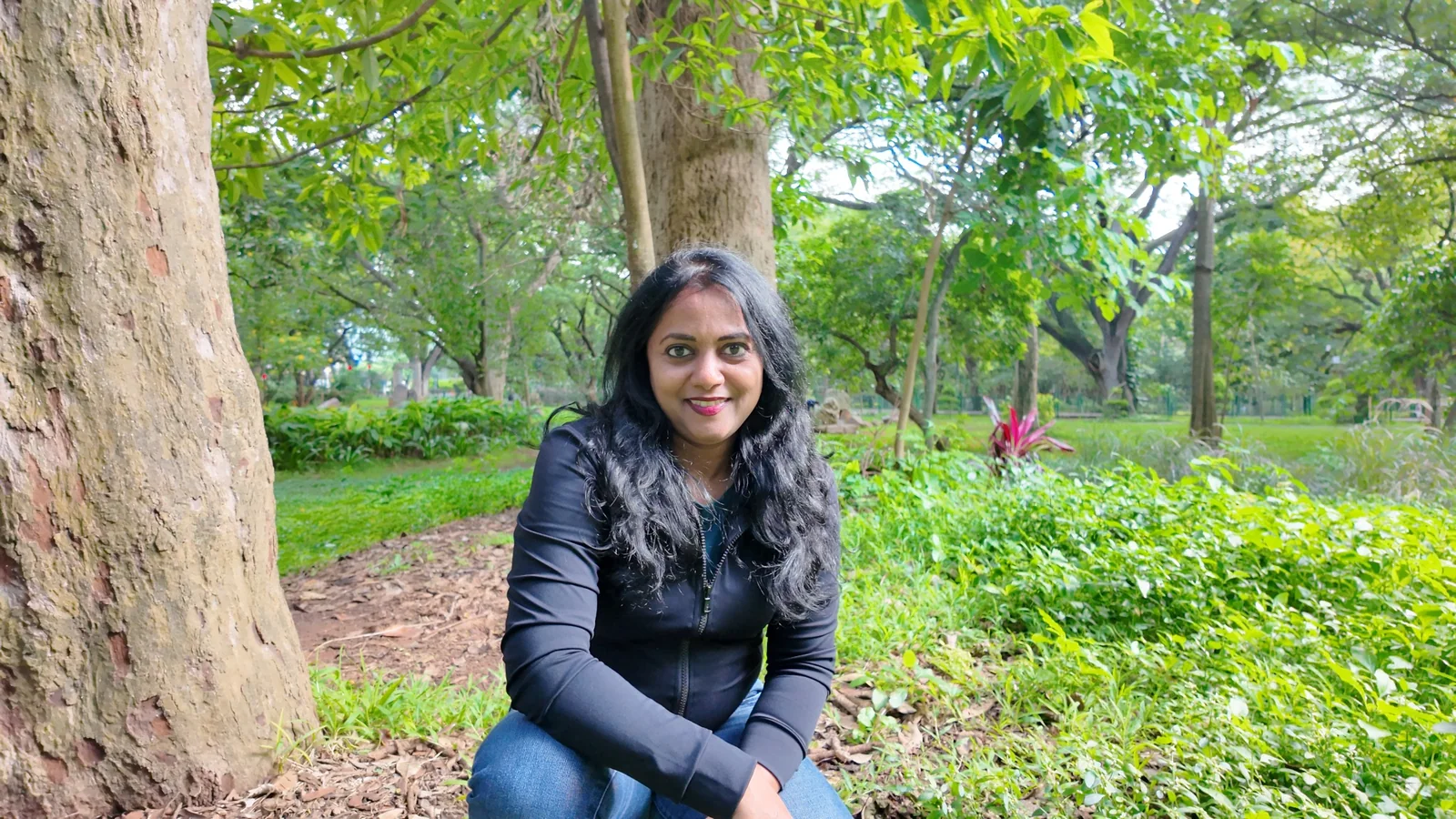
Get Kundalini Guidance Directly from Me
Feeling lost in your Kundalini journey? Struggling with low energy, career decisions, health concerns, or relationship challenges? I am Guru Sanju, a clairvoyant with 14 years of experience guiding people through Kundalini awakening. Bring your questions to a one-to-one session and get clear guidance on what to do next.
Latest Kundalini Grounding and Integration Discourses
Why Grounding Is Not Calming Your Kundalini Energy
When Grounding Practices Are Not Working If you have tried grounding practices such as walking barefoot on the earth, eating excessive food, exercising, moving your body, or participating in grounding experiences at retreats, but you are still experiencing…
Read discourse →What Practices to Stop When Kundalini Becomes Intense
Background Guru Sanju explains what practices she advises stopping when Kundalini activation or awakening becomes too intense to manage. She addresses activation associated with yoga, breathwork, chanting, intense meditation, psychedelics, energy initiation from a Guru, and devotional practices,…
Read discourse →What to Do When Kundalini Becomes Too Overwhelming
Background Guru Sanju explains what to do when Kundalini becomes overwhelming after activation through yoga practices, meditation, forced breathwork, energy transmission, or an accidental awakening. She describes how an activated Kundalini can become volatile and dynamic without direction,…
Read discourse →All Discourses in Kundalini Grounding and Integration
127 published discourses, listed alphabetically. Choose a title to read the full discourse.
- #1 IGG- Verified Energy Vortex – Chitralekha Udyan, Tezpur, India
- 10 Secrets to Improve Your Health – The Best Guide
- Accept Your Kundalini Journey and Heal Faster
- Activate the Vagus Nerve & Balance Your Brain—A Guide
- Activate Your Inner GPS and Enter the Flow Frequency
- Alisa’s Himalayan Journey to Deep Healing and Recovery
- Awakening the Nervous System: Energetic Mastery
- Balance Your Brain, Breath, and Energy to Reclaim Natural Flow
- Benefits of Negative Ions in Kundalini Awakening
- Beyond the Matrix: Grounded Freedom through Kund Breathing
- Breathing, Vagus Nerve, and Gentle Transition in Awakening
- Calm First. Then Kundalini Moves Safely.
- Declutter Your Home, Clear Your Energy
- Decluttering Is the Fastest Way to Clear Energy
- Decluttering the Space to Activate Inner Power
- Energy Healing of People, Places, and Animals
- Energy Vampires and Kundalini: Protecting the Currency of Attention
- Energy Vortex- 23 Positive Signs And Benefits of IGG-Verified Energy Vortexes
- Energy Work through Ancient Pottery and Nature’s Green Healing
- Energy Work Through Instinctive Activities – Flowing with Life
- Flowing Beyond Stuckness: Five Sacred Steps to Free Your Energy
- From Childhood Trauma to Kundalini Grounding
- From Dependency to Presence — How I Helped Her Reclaim Life Through Energy
- From Freeze Mode to Freedom with Mouth Exhalation
- From Prison to Freedom: My Freedom Project for the Soul
- From Stagnation to Freedom: Energetic Mastery with Sam
- Grass Grounding and the Science of Negative Ions in Kundalini Awakening
- Green Nature Opens the Heart and Heals Life
- Grounding a Surging Kundalini and Restoring Sacred Sleep
- Grounding Kundalini, Restoring Sleep, and Returning to Simple Life
- Healing by the Energy of the Hands
- Healing Freeze Mode: From Fibromyalgia to Flow With Mouth Exhalation and Nature
- Healing the Overloaded Nervous System through Breath, Grounding, and Stillness
- Healing Through Surrender: My Energetic Diagnosis and Guidance for Alisa
- Himalayan Prana: The Fuel for Kundalini Rise
- Himalayan Sadhana: The Essential Catalyst for Kundalini Awakening
- How Cooking, Grass, and Breath Heal the Nervous System
- How I Ground Kundalini Energy in the Body and Brain
- How I Healed Samuel through Life Frequency and Overcame Kundalini Challenges
- How I Integrate Kundalini Through Instinctive Living
- How I Move Your Kundalini Powerfully Through Flow Frequency
- How I Prepare Students for the Himalayas and Kundalini
- How Kundalini Rewires You | Brain and Nervous System Instinctive Activities
- How Much Water Should I Drink in Kundalini Awakening?
- How My Energy Work Makes You Sharp and Stable
- How Sunlight Heals Anxiety, Fatigue, and Suppression
- How to Calm an Overloaded Nervous System
- How to Detect and Remove Negative Energies from Your Home
- How to Increase Prana Energy- The Best 25 Practical Secrets
- How to Integrate Kundalini With Your Brain and Nervous System
- How to Purify Your Body and Life Force During Kundalini
- How to Remain Energetically Fit and Healthy?
- How to Safely Handle Intense Energy Surges During Kundalini Awakening
- How to Shift Your Energy?
- How to Sleep Better at Night Naturally?
- I Clear Kundalini Paralysis Through Breath and Power
- I Heal Kundalini Stagnancy Through Daily Movement
- IGG-Verified Energy Vortexes Project – Discover Why?
- Importance Of Energy Vortexes for Kundalini Awakening
- Inner GPS Gurus Power Healing
- Instinctive Activities to Ground Kundalini Awakening
- Integrate Kundalini and Build a Life of Freedom
- Kundalini and Negative Ions: The Hope of Awakening
- Kundalini and the Brain–Nervous System Transformation
- Kundalini and the Power of Negative Ions in Moving Wind and Primitive Joy
- Kundalini and the Power of Negative Ions in Nature
- Kundalini Awakening – Brain and Nervous System Health
- Kundalini Awakening and Brain Rewiring Activities
- Kundalini Awakening and Grounding in the Wild Jungle: Reducing Inflammation through the Energetic Mastery Method
- Kundalini Awakening and Grounding on the Grass – Healing Neurosis Through the Earth Element
- Kundalini Awakening and the Healing Power of Negative Ions
- Kundalini Awakening and the Healing Power of Negative Ions in Dense Nature
- Kundalini Awakening, Karmic Bonds, and Instinctive Grounding
- Kundalini Awakening, Road Walk, and Travel Grounding with Energetic Mastery Method
- Kundalini Awakening, Trauma Release and the Himalayan Call
- Kundalini Awakening: Bring Your Energy Back to Body
- Kundalini Awakening: From Head Overload to Heart Balance
- Kundalini Awakening: How to Heal Without Forcing
- Kundalini Awakening: Reclaim Your Energy and Focus
- Kundalini Awakening: Return to Your Inner Center
- Kundalini Awakening: The Value of a Smile for the Brain and Nervous System
- Kundalini Breathing: Conscious Release Without Force
- Kundalini Care: Breathing, Grounding & Energetic Boundaries
- Kundalini Detoxification Technique | Alcohol Addiction | Flush Trapped Energy
- Kundalini Freedom Project: Training Your Body for the Himalayas
- Kundalini Grounding Through Instinctive Work
- Kundalini Grounding Through Quantum Breathing
- Kundalini Grounding When You Feel Overwhelmed
- Kundalini Guru’s Guide to Vagus Nerve and Inner Freedom
- Kundalini Healing Through the Art of Doing Nothing
- Kundalini Integration: Training the Nervous System
- Kundalini, Negative Ions, and the New Life Frequency
- Negative Ions: The Secret Fuel for Kundalini Ascension
- Nervous System First, Everything Else Follows
- Nervous System Regulation Techniques for Chronic Illness
- No. 1 Secret to Remove Apana (Toxicity) in the Kundalini Awakening Journey
- No.1 Secret Herb Formula to Remove Apana (Toxicity) During Kundalini Awakening
- Preparing for Himalayan Kundalini Project: Eye, Stamina, and Nervous System
- Radiating Positive Energies: Unlock Unlimited Brain Power
- Releasing Negativity and Restoring Sleep through Energetic Healing
- Restoring Divine Energy – Julia’s Journey from Emptiness to Life
- Secrets to Detect Negative Energy in a House
- Sedona Energy Vortex- Exploring the Power
- Self-Love: Benefits of Self-Love for Self-Healing
- She Was Never Lazy: How Energy Reset Gave Her Life Back
- She Was on 1% Battery — So I Took Her Back to Breath
- Spiritual Awakening and Benefits of Sunlight
- Spiritual Grounding Techniques – Secrets from Guru Sanju
- The Art of Decluttering – Freeing Body, Mind, and Energy
- The Matrix Wants You Exhausted—Kundalini Doesn’t
- The Moment the Body Let Go
- The Rest and Digest Mode of the Brain: Unlocking Your True Health and Vitality
- The Secret to Get Dopamine Naturally
- The Secret to Grounding Kundalini Is Giving
- Unlock Your Body’s Hidden Power and Break Free From Deep Tension
- What Is Health? Get Healed and Integrated
- What Practices to Stop When Kundalini Becomes Intense
- What to Do When Kundalini Becomes Too Overwhelming
- When Life Returns to the Nervous System
- When Space Opens, Magic Enters: Ayse’s Energetic Reset
- Why Grounding Is Not Calming Your Kundalini Energy
- Why Himalayan Trekking Accelerates Kundalini Awakening
- Why I Train the Body Before Awakening Kundalini
- Why Letting Go of Objects Brings Calm Before Any Technique
- Why Sleep Hygiene Matters in Kundalini Awakening
- Your Brain Is Dying — Walk Into the Jungle Now
- Your Unlimited Energy Supply: Why Healing Is the Key to Living Fully