Module 5 · Lesson 3 · 8 min read
Hormones, Vitality and Aging
Introduction
Kundalini awakening can tip the body towards stress hormones, and the way back is to release the natural “happy hormones” through nature, movement, achievement, love and rest. Many people in awakening forget how to smile or laugh. They become serious, tired and older-feeling than their years. In my experience, much of that is hormonal and much of it is the mind.
In this lesson I explain how awakening affects your hormones, the four happy hormones and how to release them naturally, and how to stay vital as you age.
Lesson overview
This section contains a general overview of topics that you will learn in this lesson.
- How Kundalini awakening affects your stress hormones.
- The four happy hormones, known as DOSE, and how to release each one.
- Why nature and climbing are such strong hormone balancers.
- Why the mind, not the years, drives premature aging.
- When hormonal symptoms need a medical check.
The core teaching
When the brain reads Kundalini’s strong energy as danger, it switches on fight-or-flight and floods the body with cortisol and adrenaline. You balance this by releasing dopamine, oxytocin, serotonin and endorphins through effort and achievement, love and touch, sunlight and service, movement and laughter, ideally in nature. Vitality as you age depends far more on your life force and your mindset than on your age. Real hormonal problems still need a doctor.
How does Kundalini awakening affect your hormones?
For many people, awakening includes a dark night of the soul: a long, lost, sad phase. The intensity of the energy puts pressure on the nervous system. The brain perceives the electrified movement as danger and activates fight, flight or freeze.
In that mode, the breath moves high into the chest and the body releases stress hormones, cortisol and adrenaline. City life adds more: noise, crowds, pollution and constant pressure. Over time, chronically raised stress hormones drain energy, disturb sleep and digestion, unsettle the menstrual cycle and lower mood.
To reverse this, you have to release the opposite hormones, the ones that tell the body it is safe, rewarded and loved. Some of this happens by itself in the right conditions. Some takes deliberate effort.
What are the happy hormones, and how do you release them?
I call the four happy hormones DOSE: dopamine, oxytocin, serotonin and endorphins.
| Hormone | What it does, and how to release it |
|---|---|
| Dopamine | The reward chemical. It comes when you achieve something through your own effort: finishing a task, reaching the top of a climb, completing something meaningful. Set achievable goals and complete them. |
| Oxytocin | The bonding chemical. It comes with love, trust and touch: hugging, affection, close friendships and family. It also comes from loving yourself, and from time with a teacher you trust. |
| Serotonin | The mood stabiliser. It is supported by sunlight, exercise, serving others without expecting anything back, and a balanced diet. Time in natural places with plenty of prana helps. |
| Endorphins | The body’s own painkillers. They come with physical effort and play: running, dancing, trekking, free movement and laughter. |
The hormones work together. Long-term stress lowers serotonin, for example, and that affects mood. So the approach has to be whole: body, mind and emotions together.
Why do stimulants unbalance your hormones?
Caffeine, sugar, alcohol, nicotine, scrolling and pornography release dopamine quickly, without effort. The brain learns to feel good only when it gets them, and stops rewarding ordinary life. Over time you need more stimulation to feel the same, and less is left for real achievement and connection.
Cut these down gradually and replace them with effort-based rewards: a walk, a finished task, a real conversation. See Heightened Sensitivity for more on stimulants during awakening.
Why does nature balance hormones so strongly?
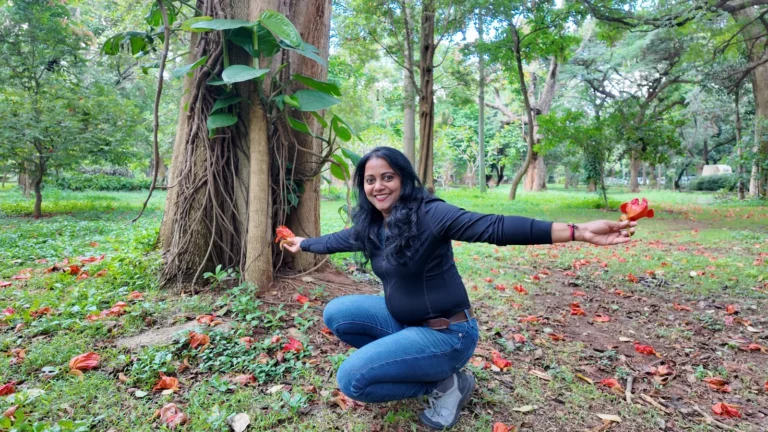
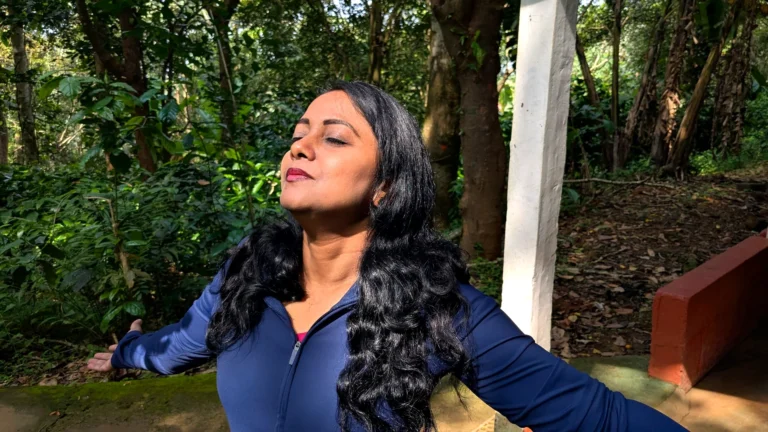
In my experience, wild nature releases all four happy hormones at once, without anything artificial. In a forest, the trees and plants release natural oils into the air, oxygen and negative ions are plentiful, and the thinking brain quietens. You become naturally blank and present.
Climbing adds dopamine and endorphins: the heart rate rises naturally, the heart centre opens, and reaching the top is a real reward. Loving yourself enough to go there adds oxytocin. Sunlight adds serotonin.
You do not need the Himalayas. A green hillside, a forest path or a riverbank that you walk to with effort works on the same principle.
Can Kundalini keep you young?
Aging is natural. Your cells replenish more slowly with time. It is not a punishment or a disease, and no one can reverse it. We are mortal, and the wisest step is to accept that.
But acceptance is not passivity. You can age with vitality, and in my understanding, the life force moving through you matters much more than your age. Much premature aging begins in the mind. When you start to believe you have already lived your life, avoid risk and play, and carry burdens that are not yours, the body follows. I meet people of twenty and thirty who feel old because their mind has attached age to limitation.
- Drop the age script: notice beliefs like “midlife crisis” or “too old for that” and question them.
- Keep playing: move, explore, take healthy risks, learn new things.
- Live your purpose: your life force came with a plan. Following it keeps you vital.
- Look after the basics: sleep, movement, sunlight and nourishing food.
When are hormonal symptoms medical?
Kundalini does not replace hormone testing. See a doctor if you have symptoms of thyroid problems (tiredness, weight change, feeling too hot or cold, hair loss), perimenopause or menopause, low testosterone, blood-sugar problems, PCOS, or adrenal problems. Low mood that lasts more than two weeks is also a reason to see a doctor.
Use the practices here alongside any treatment you need. Do not stop prescribed hormones or antidepressants without your doctor.
From my own practice
I once climbed through a Himalayan rainforest to about 2,100 metres, then came down into a wide green clearing surrounded by forest. The clouds were low, the air was full of oxygen and the sound of birds. As I stood there, my thinking simply stopped. I felt something I can only describe as a natural high, and I understood where it came from. It was not the number on the altimeter. It was my heart rate rising as I climbed, my heart centre opening, the reward of having done the work myself, and the love of having given myself this place. Every one of the happy hormones was being released, and I had not taken anything to make it happen. In the cities, the same body releases cortisol and adrenaline. I share this because the difference is not luck. It is where you put yourself, and what you ask your body to do.
Recognise these symptoms in yourself? Alongside your doctor, Sanju can help you understand them in a one-to-one session.
Book a session with SanjuA DOSE plan for one week
Every day
One of each
- Dopamine: finish one meaningful task with full attention.
- Oxytocin: one hug, one loving call, or one act of care for yourself.
- Serotonin: twenty minutes of morning sunlight, and one kindness to someone.
- Endorphins: movement that makes you sweat a little, or something that makes you laugh.
This week
Go further
- One half-day walk or climb in green nature.
- Cut back one quick-dopamine habit.
- Book a hormone check-up if you have symptoms that worry you.
- Notice your mood, energy and sleep at the end of the week.
When to get help
If you have tried to lift yourself and still feel flat, heavy or unwell, get both medical and personal support. You do not have to manage it alone.
When to seek medical or professional help
Spiritual practice works alongside medical care. It does not replace it. See a doctor for persistent low mood, tiredness, weight change, changes in your periods, hot flushes, low libido, or other symptoms that may be hormonal. Do not stop or change hormone treatment or antidepressants without your doctor. Take care when climbing at altitude: go slowly, and come down if you get a severe headache, breathlessness or confusion. If you feel hopeless or think of harming yourself, contact local emergency services or a crisis line.
Self-check
- Which of the four happy hormones is most missing from your days?
- Where do you get quick dopamine without effort?
- What belief about your age is holding you back?
Knowledge check
These questions help you check your understanding of this lesson. If you can’t answer one, select it to go back to the part of the lesson that answers it.
Additional resources
This section contains helpful links to related content. It isn’t required, so consider it supplemental.
Lesson complete. Want help applying it to your own life?
Book a session with Sanju
Guru Sanju14 years guiding people through Kundalini awakening, with students in 50+ countries. I help you understand what is happening to you and turn it into growth.
Kundalini Physical Symptoms · Course menu
Kundalini Physical Symptoms